
Williams Exceeded Formula 1 Cost Cap by £627,000 During 2025 Season
Williams exceeded Formula 1's 2025 spending cap by £627,000 due to administrative restructuring costs, resulting in a fine and wind tunnel penalties.
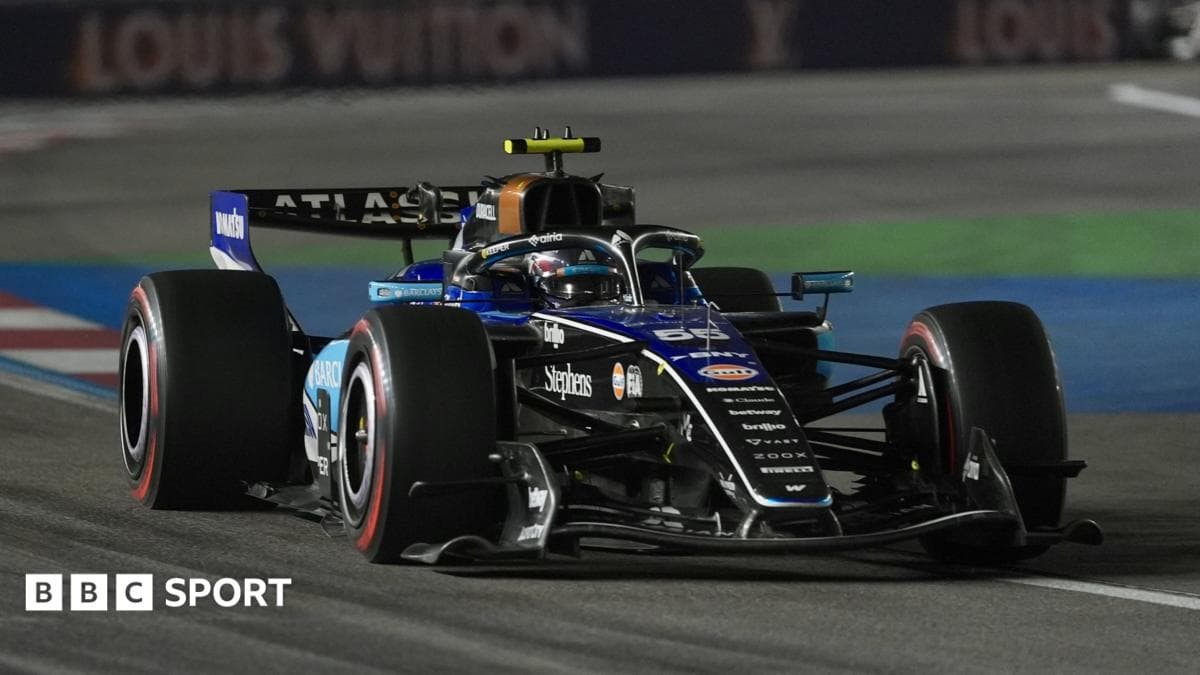
According to BBC Sport, Formula 1 governing body the FIA has found that Williams unintentionally breached the sport's financial spending limits during the 2025 season by £627,000. The infraction compounds a difficult campaign for the historic constructor, which currently sits ninth in the constructors' championship with only two races remaining.
That deficit hurts. TheGrove squad finds itself battling both on the asphalt and inside the accounting department as modern regulations bite hard. Every pound spent carries immense weight under the strict oversight of the governing body's financial auditors.
The overspend represents a 0.48% deviation from the permitted cap, placing the infraction at the lower end of the minor overspend range of under 5%. Alongside Williams, Renault-owned Alpine also breached the regulatory framework, though their infraction was strictly procedural rather than financial. Both squads have agreed to formal settlements with regulators over Sports governance standards.
The rules leave zero room for sentiment. When the FIA rolled out the financial regulations, they intended to cap spending and level a grid historically dominated by deep-pocketed works teams. Teams must now balance aerodynamic upgrades against routine factory overhead with brutal precision.
How Facility Overhauls Collided with Strict Spending Ceilings
The financial violation stemmed directly from corporate reorganization expenses incurred as the Grove-based outfit attempted to modernize its antiquated facilities. Team executives held the belief that administrative spending tied to structural overhauls fell outside the strict boundaries of the budget limit. Regulators ultimately disagreed with that reading after reviewing the team's ledgers.
Old brick-and-mortar factories require millions in upgrades just to match modern manufacturing standards. Williams discovered that the accounting treatment for corporate restructuring doesn't always align with the FIA's rigid rulebook. That mismatch generated a sudden £627,000 discrepancy during the final audit.
The FIA's Cost Cap Administration explicitly cleared the organization of any fraudulent intent or deliberate concealment. Investigators acknowledged that the complex architecture of the financial regulations created genuine ambiguity for personnel interpreting allowable exclusions. That accounting friction proved costly once auditors combed through the full-year documentation.
Auditors spent months analyzing line items across payroll, logistics, and capital projects. The sheer volume of data makes complete compliance a massive administrative hurdle for legacy teams upgrading outdated infrastructures. Even minor misinterpretations of the text trigger formal investigations and public penalties.
"Integrity is central to what Williams stands for and we can now close this case and remain focused on our future."
— Williams Racing, Official Statement
Williams issued a public acknowledgment accepting the governing body's strict interpretation of the rulebook. Company representatives maintained that the extra expenditures produced zero competitive advantage on the track.
Management knew fighting the verdict would drain resources better spent elsewhere. Accepting the findings allowed the organization to draw a firm line under the audit and pivot toward factory operations for the upcoming winter break. The board opted for closure over a protracted legal dispute.
Aerodynamic Testing Cuts Hit Factory Development Plans
The accepted breach agreement carries tangible operational consequences for the team's upcoming development cycle. Williams must pay an undisclosed financial fine alongside covering the administrative expenses incurred by the FIA during the investigation. More critically, the team faces a 1.5% reduction in permitted aerodynamic research and development time over the next 12 months.
That wind tunnel penalty strikes at the heart of any constructor attempting to claw back lost ground against rivals. Development hours are tightly rationed under modern regulations, meaning any enforced haircut restricts future car upgrades. Meanwhile, Alpine escaped a financial overspend penalty but received an undisclosed fine for its own reporting inaccuracies.
Losing wind tunnel time alters the entire engineering pipeline for the next chassis. Aerodynamicists must throw out routine testing iterations and prioritize only the most efficient design concepts. Every lost run in the tunnel makes finding lap time that much harder.
Alpine's procedural errors involved misclassifying non-sporting operational costs, including human resources expenses, marketing outlays, and employee bonus structures. The Cost Cap Administration confirmed those reporting mistakes also yielded no lap-time benefits. Both organizations must now submit to tighter internal oversight.
Administrative mistakes carry real financial weight now. Alpine's failure to log corporate overhead correctly cost them hard cash and forced an internal audit of their human resources department. Regulatory compliance demands armies of forensic accountants stationed permanently inside race team headquarters.
Factory Strain and the Countdown to the 2026 Regulations
The financial infractions arrive at a painful juncture for Williams, which poured substantial resources into preparing for the sweeping technical regulations introduced for 2026. Management targeted the regulatory reset as a golden opportunity to vault back into the sharp end of the grid. Instead, the squad slid backward from fifth place in the 2025 standings to ninth.
Building a competitive Formula 1 car requires walking a razor-thin financial tightrope. Inflation drives up freight and manufacturing costs while the spending cap remains fixed at baseline figures. Finance departments must constantly trim budgets just to keep pace with basic operational overhead.
The penalty compounds a season defined by uncompetitive machinery and missed development targets. Teams across the pit lane continue to grapple with the rigid mathematics of the spending ceiling as operational costs climb globally. Every pound spent on restructuring or corporate overhead directly starves the car development budget.
Engineers hate building race cars with one hand tied behind their backs by financial limits. When factory modernization counts against the racing cap, teams face an impossible choice between updating ancient machines and developing actual lap-time speed. That friction defines the modern pit lane.
Williams has formally closed the chapter on its financial audit with the governing body. Attention now turns to surviving the final two grands prix of the year and recalibrating factory operations under tighter legal constraints. The margin for administrative error in modern motorsport has narrowed to zero.
The season ends under a cloud of administrative penalties and disappointing race results. Factory personnel must now absorb the 1.5% testing reduction and rebuild their development models ahead of the upcoming winter testing block. The real work starts the moment the checkered flag drops in Abu Dhabi.
The Morning Brief
One email a day with the stories that matter. Free, forever.
No spam. Unsubscribe anytime.
Comments (0)
Be the first to share your thoughts.