
Thanksgiving Storm Leaves Over 900,000 Homes Without Power Across U.S.
A severe coastal storm battered the U.S. Northeast on Thanksgiving, knocking out power for nearly a million homes, flooding coastal towns, and snarling holiday travel.
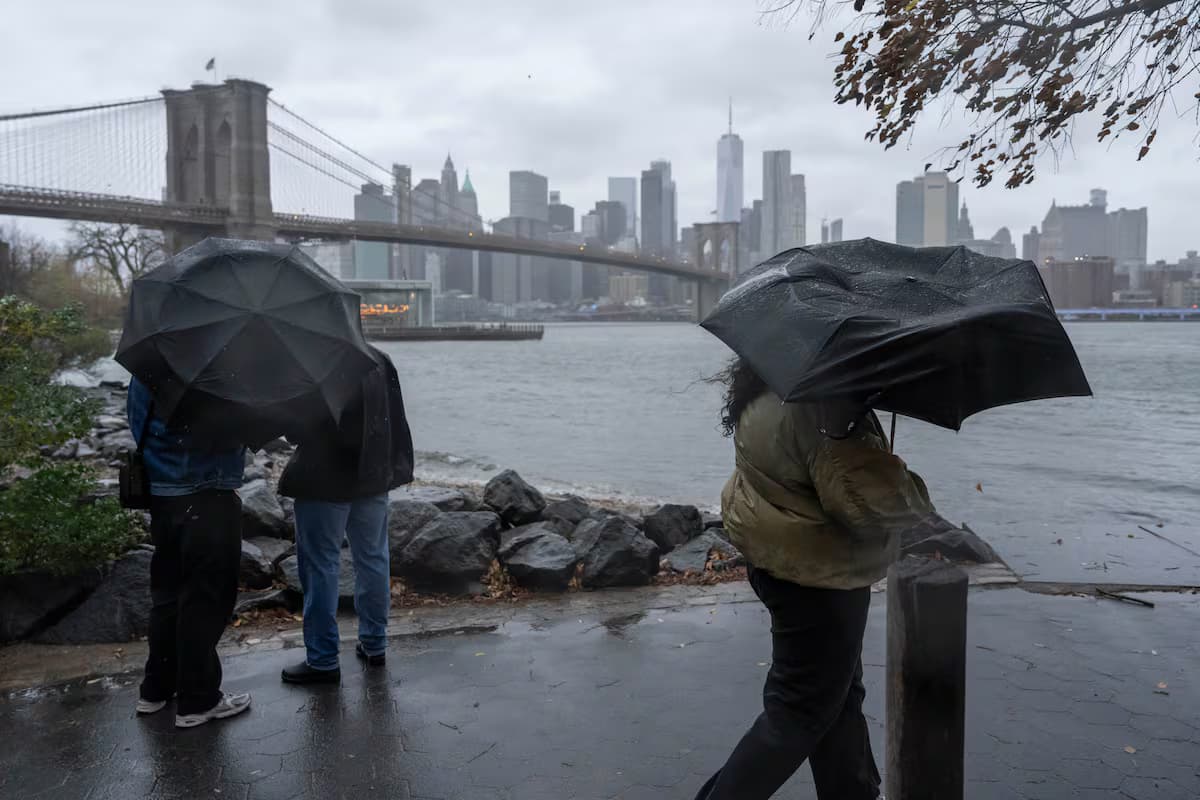
According to English.ElPais.com, a powerful coastal storm battered the northeastern United States on Thanksgiving, leaving more than 900,000 homes and businesses without power and disrupting holiday travel nationwide. While standard narratives frame severe weather events as unpredictable acts of nature that defy grid preparation, a closer examination reveals that regional infrastructure vulnerabilities and holiday logistics bottlenecks dictated the scale of the disruption far more than raw wind speeds alone.
How Utility Grids Buckled Under Thanksgiving Gale Forces
The storm system delivered driving rain, heavy snow, and high winds that pushed water levels inland across the mid-Atlantic and Northeast. Poweroutage.us reported more than 950,000 users offline by evening, with Pennsylvania accounting for over 200,000 outages alongside heavy failures in New Jersey, Maryland, and Virginia. Utility control rooms struggled to isolate downed conductors as saturated topsoil lost its grip on decades-old timber poles.
State Emergency Declarations Across New York and New Jersey
Governors across the affected corridor responded rapidly to rising floodwaters and wind damage. New York Governor Kathy Hochul declared a state of emergency for New York City and Nassau, Suffolk, and Westchester counties. New Jersey Governor Mikie Sherrill enacted similar emergency measures ahead of the holiday.
These rapid declarations freed up state emergency reserves and expedited National Guard deployments before highway gridlock fully set in. Local police departments coordinated rolling roadblocks to keep municipal snowplows moving past stalled holiday traffic.
Central Park recorded two inches of rainfall, setting a daily record for Thanksgiving Day in New York City according to reporting cited from The New York Times. Drainage systems in the outer boroughs backed up instantly under the heavy volume, sending standing water onto low-lying access ramps.
Coastal Flooding and Inland Inundation From North Carolina to New England
High tides combined with gale-force winds to push seawater deep into coastal municipalities from North Carolina to New Jersey. Emergency teams rescued stranded motorists from flooded roadways in multiple jurisdictions. Avalon, a borough situated at the southern tip of New Jersey, sustained some of the worst inundations in its recorded history as salt water breached local dunes.
Municipal pump stations ran at maximum capacity until coastal surge overwhelmed intake valves. Town engineers watched helplessly as residential driveways turned into salt-water lagoons within the span of three tide cycles. Local public works departments now face massive cleanup bills to clear sand and marine debris from municipal storm drains.
Image: english.elpais.comHoliday Transport Networks Collapse Under Peak Seasonal Volumes
Transportation networks faced severe strain during one of the heaviest travel periods of the calendar year. FlightAware data showed more than 2,300 delays and 450 cancellations affecting airports nationwide, with Baltimore-Washington International and New York JFK absorbing the heaviest blows. The Transportation Security Administration projected roughly 17.6 million checkpoint passengers between Tuesday and Monday, highlighting the fragile timing of peak holiday volume.
Parade Postponements and Historic Interruptions in Manhattan
Severe winds forced organizers to take the unprecedented step of postponing Manhattan's centennial Macy's Thanksgiving Parade to Saturday. It marks the first weather-related postponement in the event's history, following full suspensions during World War II. Thousands of holiday visitors had to adjust their itineraries on short notice.
Rigger crews monitoring the giant character balloons faced wind gusts exceeding 45 miles per hour along Sixth Avenue. Safety guidelines strictly mandate grounding the inflations when sustained winds cross the 34-mile-per-hour threshold, leaving producers with zero operational alternatives.
Hotel operators in midtown Manhattan scrambled to accommodate guests stranded by the schedule shift, offering discounted lobby rates. Tourism officials watched millions of dollars in expected retail spending evaporate as family visitors shortened their holiday stays.
Blizzards in the Midwest and King Tides on the Pacific Coast
The severe weather extended far beyond the Atlantic seaboard into the American interior and western states. St. Louis absorbed up to 12 inches of snowfall, pushing Lambert International Airport to record its fifth-highest November snowfall total. Meanwhile, Pacific coastal communities faced severe king tides that triggered evacuation notices in Stinson Beach north of San Francisco and beach closures in Monterey.
Highway patrol units in Missouri deployed salt spreaders continuously across I-70 to keep commercial freight moving through the night. Plow drivers reported near-zero visibility as heavy lake-effect squalls merged with the southern moisture front.
Out west, local harbor masters secured commercial fishing vessels with extra mooring lines ahead of the Pacific surge. Beachfront homeowners in Monterey stacked sandbags against sliding glass doors to block incoming debris from the surf.
Image: english.elpais.comBalancing Grid Resilience Against Extreme Weather Shocks
Utility defenders argue that winds exceeding tropical storm thresholds will inevitably break overhead distribution lines regardless of capital expenditure. Critics counter that aging poles and unburied regional lines in densely populated corridors like Pennsylvania and New Jersey create predictable failure points every autumn. Regional energy markets must now weigh the immense cost of undergrounding urban distribution grids against recurring emergency repair bills.
State regulators are demanding detailed post-storm audits from major investor-owned utilities to review crew response times. Corporate executives must defend their vegetation management budgets before state utility commissions next quarter. ratepayers ultimately foot the bill either through repeated storm recovery riders or higher baseline tariffs designed to fund long-term infrastructure hardening.
The Morning Brief
One email a day with the stories that matter. Free, forever.
No spam. Unsubscribe anytime.
Comments (0)
Be the first to share your thoughts.