
French Actor Gérard Depardieu Ordered to Stand Trial on 2018 Rape Charge
French actor Gérard Depardieu has been ordered to stand trial on a charge of raping a young actress in Paris in 2018.
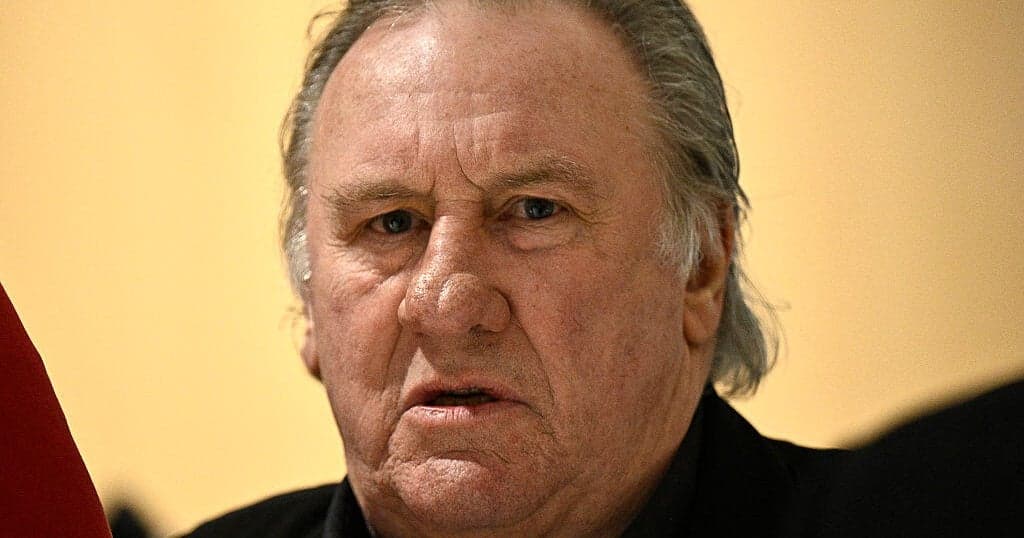
According to CBS News and reporting by The Associated Press, 77-year-old French actor Gérard Depardieu has been ordered to stand trial on a charge of raping a young actress at his Paris home in 2018. The Paris Court of Appeal upheld an investigating judge's decision regarding one of two alleged rapes reported by actress Charlotte Arnould, who initially lodged her complaint when she was 22 years old.
This judicial milestone tests the institutional boundaries of accountability within European cinema. To understand the wider cultural pressures at play, readers can review developments across Entertainment and broader societal shifts tracked in Crime & Justice.
The Legal Turning Point and Appellate Ruling
Defense lawyer Delphine Meillet confirmed that the veteran film star would face trial over only one of the two counts initially brought forward by Arnould. Depardieu has consistently denied the allegations, challenging an earlier investigating judge's ruling from August 2025 that sought to send the case before a criminal panel.
When the Paris Court of Appeal rejected that challenge, it narrowed the legal scope while securing a trial date. Meillet stated that her client disputes the ruling, though immediate plans for a further high court appeal remain unconfirmed.
Procedural Timeline After the Appeal
The appellate panel set the trial for the first half of 2026, giving both sides a narrow window to gather evidence. Prosecutors must file their formal indictment before the court convenes, while the defense prepares motions that could delay oral arguments. Each procedural step now carries heightened media scrutiny.
Public Reaction to the Appeal Verdict
Parisian cafés filled with heated debate after the decision was announced on television. Some commentators framed the ruling as a test of France’s commitment to due process, while activists argued it signaled a shift toward believing survivors. Social media hashtags surged, reflecting a polarized but engaged public.
Defense Strategy and Prior Convictions
The impending trial follows closely on the heels of a separate legal defeat for the actor earlier in the month. Depardieu formally abandoned his appeal against a May 2025 conviction for sexually assaulting two women on the 2021 film set of "Les Volets Verts."
That conviction carried an 18-month suspended prison sentence. Following that legal retreat, Depardieu issued a public statement addressing his past conduct on professional sets.
On film sets, I have long hidden behind provocation and crude humor. I believed my words and some of my actions had no consequences. But they did, particularly coming from someone who held as much power as I once did.
— Gérard Depardieu, Actor
In that same written statement issued on November 16, the actor acknowledged his guilt in the set assault case and noted he offered deep and sincere apologies to those who may have suffered. Prosecutors and defense teams now prepare for courtroom arguments that will test how French courts weigh historical power imbalances against emerging criminal standards.
Institutional Fallout Across the French Film Industry
For half a century, Depardieu anchored French cinema with a hulking frame and critical acclaim that included an Oscar nomination for "Cyrano de Bergerac" and a Golden Globe for "Green Card." His extensive filmography spans hundreds of titles, including "The Last Metro" and the "Asterix" franchise, making him one of the nation's most visible cultural exports.
That cinematic legacy has fractured under the weight of mounting legal scrutiny. Public awareness intensified following a December 2023 television documentary that captured Depardieu making explicit remarks during a 2018 trip to North Korea.
Political Polarization and Cultural Resistance
The case has divided public opinion in France, where the broader #MeToo movement has encountered distinct resistance within elite artistic circles. When President Emmanuel Macron defended Depardieu in late 2023 by asserting that the actor "makes France proud" and invoking the presumption of innocence, the remarks drew immediate condemnation from women's rights advocates.
This friction mirrors long-standing ideological fault lines within the country's cultural establishment. Back in 2018, actress Catherine Deneuve and 99 other prominent women signed an open letter defending men's liberties to pursue women and warning against perceived excesses of modern accountability campaigns.
Impact on Film Financing and Sponsorship
Several French production companies announced they would pause new projects involving Depardieu until the trial concludes. A major television network withdrew a planned interview series, citing concerns over brand safety. Investors cited the legal cloud as a risk factor in quarterly earnings calls.
Meanwhile, independent filmmakers argue that the fallout could deter emerging talent from tackling controversial subjects. Grants from the National Center for Cinema have been earmarked for projects that explore power dynamics, reflecting a cautious but proactive response from cultural funders.
International Repercussions at Cannes
Festival organizers in Cannes have quietly revised their selection criteria to include a "ethical compliance" clause for high-profile participants. A retrospective of Depardieu’s work, originally slated for the 2025 edition, was postponed pending the outcome of the trial. International press coverage has turned the festival into a barometer for how the industry handles legacy stars under legal fire.
Weighing the Constraints and Forensic Limitations
Legal analysts note that prosecuting historical offenses from 2018 presents significant evidentiary hurdles for both the prosecution and the defense. Witness recollections fade, contemporaneous forensic trails grow cold, and the passage of nearly a decade complicates the reconstruction of events inside private residences.
At the same time, the quantitative shift in how French courts handle sexual violence complaints marks a clear departure from past judicial norms. Observers point out that while conviction rates for historical assaults remain statistically low across European jurisdictions, the willingness of appellate panels to sustain indictments against high-profile cultural figures signals a structural change in institutional tolerance.
As the case moves toward a formal courtroom trial, legal teams must balance the weight of public admissions in separate proceedings against the specific, contested facts of the Arnould complaint. The upcoming procedural hearings will determine whether further appeals delay the trial schedule or if the matter proceeds directly to oral arguments in Paris.
Forensic Evidence Challenges in Private Residences
Investigators must rely on limited physical evidence because the alleged assault occurred inside Depardieu’s home, a location without surveillance cameras. DNA samples collected in 2018 were stored under chain-of-custody protocols, yet degradation over time reduces their probative value. Experts anticipate that forensic testimony will focus on the reliability of lab analyses rather than new discoveries.
Defense experts argue that any residual evidence could be contaminated by routine cleaning or by the presence of multiple occupants over the years. Prosecutors, however, plan to introduce expert testimony on statistical likelihoods of DNA transfer in domestic settings, a tactic that has seen mixed results in French courts.
Comparative European Cases of Historical Assault
Across Europe, several high-profile figures have faced similar retroactive prosecutions, from a British television presenter tried for 1990s allegations to a German director charged with 2005 misconduct. Those cases often hinged on fresh witness statements and evolving legal definitions of consent.
Legal scholars note that the French appellate decision aligns with a broader continental trend toward revisiting past abuses. While conviction rates remain modest, the willingness to bring former cultural icons to trial reflects a growing judicial appetite for accountability, regardless of fame.
The Morning Brief
One email a day with the stories that matter. Free, forever.
No spam. Unsubscribe anytime.
Comments (0)
Be the first to share your thoughts.