
Ghanaian Parliament's Majority Caucus Pledges GH¢500,000 to World Cup Champion Black Challenge
Ghana's Parliament Majority Caucus has pledged GH¢500,000 to the Black Challenge following their historic Amputee Football World Cup victory.
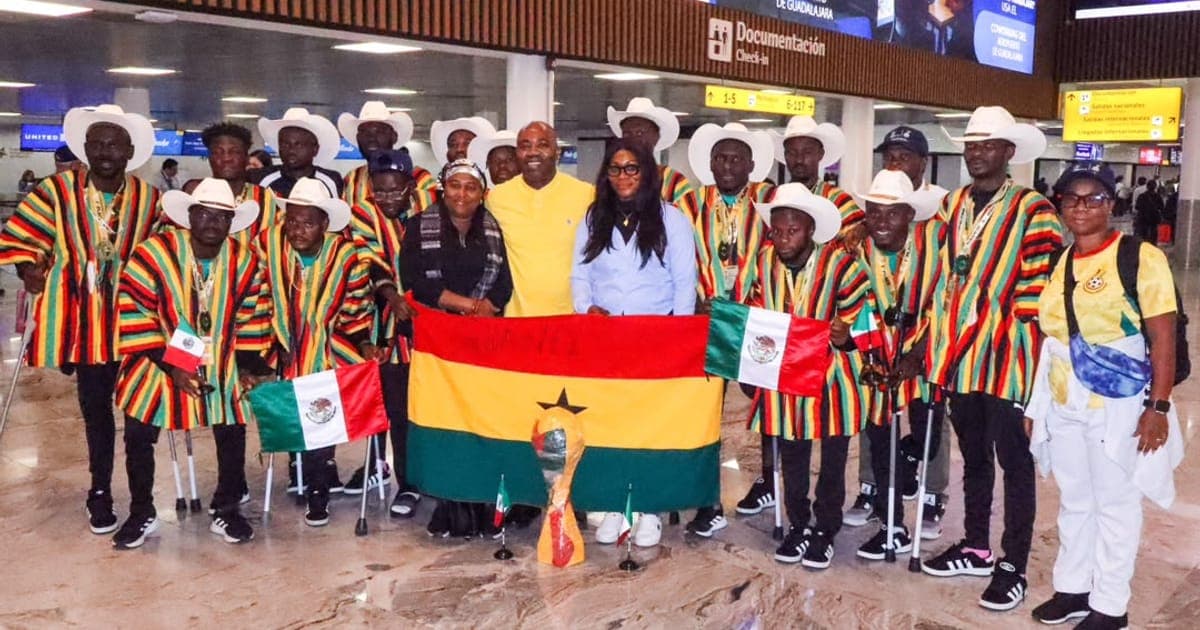
According to 3news.com, Ghana's Parliament has stepped in directly to back the national amputee football team following their historic tournament run abroad. The Majority Caucus formally announced a GH¢500,000 cash pledge during a welcoming visit at Parliament on Thursday, November 26. For athletes who spent months fundraising and sacrificing for national duty, the sudden injection of state funds signals a tangible shift from empty praise to real financial backing.
When the Black Challenge touched down after conquering the global stage, players returned to everyday household bills rather than lucrative commercial contracts. Amputee sports rarely command the broadcast revenues or corporate sponsorships enjoyed by mainstream disciplines, leaving players dependent on out-of-pocket contributions. The parliamentary donation aims to bridge that immediate gap, easing the financial strain carried by athletes who balance rigorous international training with precarious livelihoods.
How the Black Challenge Conquered Mexico
The road to world champion status required navigating intense physical and mental hurdles across a punishing tournament schedule. Ghana dropped their opening group encounter against Angola, forcing an immediate tactical reset under high-pressure conditions. That early setback served as a catalyst for a fierce recovery across subsequent fixtures.
Rebounding Against the United States and Egypt
Staring down early elimination, the squad rebounded decisively with a 3-1 victory over the United States. That crucial win stabilized their tournament campaign and set up a disciplined 2-0 knockout win against Egypt. Players relied on collective resilience rather than institutional infrastructure to stay competitive against heavily funded international squads.
Training sessions back home often took place on inadequate surfaces with borrowed gear, yet the squad adapted quickly to international pitch conditions. Coaches adjusted formations on the fly, maximizing the raw speed of their midfield transitions to catch opponents off guard. Every match demanded peak physical output, testing the limits of athletes who fund their own gear.
Surviving Defending Champions Türkiye in Penalties
The toughest test arrived in the semi-finals against defending champions Türkiye in a bruising encounter. Neither side broke the deadlock in regulation time, pushing the contest into a high-stakes penalty shootout. Ghana held their nerve from the spot, booking a hard-fought ticket to the final match.
Fatigue weighed heavily on the players after weeks of intense competition, but adrenaline carried them through the physical duels. Goalkeepers made vital stops under immense pressure, keeping their composure while thousands of opposing fans roared in the stands. That dramatic shootout victory proved the squad possessed the mental toughness required to win global titles.
Mohammed Mubarik and the Final Match Against Morocco
Forward Mohammed Mubarik delivered a masterclass in attacking efficiency throughout the tournament in Mexico. His remarkable run of seven goals earned him the competition's Golden Boot award and terrified opposing defenses. That individual brilliance culminated in a tense 1-0 victory over Morocco in the final, sealing Ghana's maiden world title.
Defenders threw their bodies in front of fast-moving balls during the closing minutes to protect the narrow lead. When the final whistle blew, players collapsed to the turf in exhaustion and disbelief before celebrating their hard-fought victory. Mubarik's clinical strike cemented his legacy as one of the finest forwards in international amputee football history.
Making History on the Global Stage
The triumph elevated Ghana to become only the second African nation to lift the Amputee Football World Cup trophy. For local fans following the Sports beat across the continent, the victory transcends a single trophy. It redefines what national teams can achieve with minimal institutional support.
Historic wins change public perceptions about disability sports, drawing long-overdue attention to talented athletes who deserve equal recognition. Young fans watching the matches on television now see heroes who look like them succeeding against the world's best teams. That cultural shift matters just as much as the silverware brought home through customs.
Image: 3news.comFor welfare, we, on this side of the House, would donate an amount of GH¢500,000 in honour of the Black Challenge.
— James Agalga, Majority Leader, Ghanaian Parliament
Securing Long-Term Funds for National Athletes
Legislative gestures offer vital immediate relief, but athletic federations must convert spotlight moments into sustainable pipelines. Too often, national champions celebrate historic victories only to face recurring logistical crises ahead of their next qualification cycle. Ensuring that funds reach individual players transparently remains a vital test for sports administrators.
Sports ministries must now establish clear bureaucratic channels to disburse promised funds without bureaucratic delays. Transparency prevents disputes over prize money and ensures athletes receive the full financial backing voted on by lawmakers. Reliable administrative backing protects players from predatory promoters who exploit amateur athletes for short-term gains.
Moving Beyond Ad-Hoc Financial Pledges
As the euphoria of the homecoming settles, policymakers face a clear choice regarding national sports funding. Direct cash pledges solve acute welfare problems today, but structured institutional backing secures tomorrow's champions before they board the plane.
Building proper training camps, covering medical insurance, and paying regular stipends require consistent budgetary commitments rather than emergency donations. Athletes shouldn't have to win a world cup just to pay their rent or buy medical supplies. Parliament's GH¢500,000 payout sets a powerful precedent, but lasting reform demands permanent policy changes in the national sports budget.
The Morning Brief
One email a day with the stories that matter. Free, forever.
No spam. Unsubscribe anytime.
Comments (0)
Be the first to share your thoughts.