
Israeli Judges Urge Prosecutors to Drop Bribery Charges Against Netanyahu
Jerusalem judges urge prosecutors to drop bribery charges against caretaker Prime Minister Benjamin Netanyahu, citing low chances of conviction.
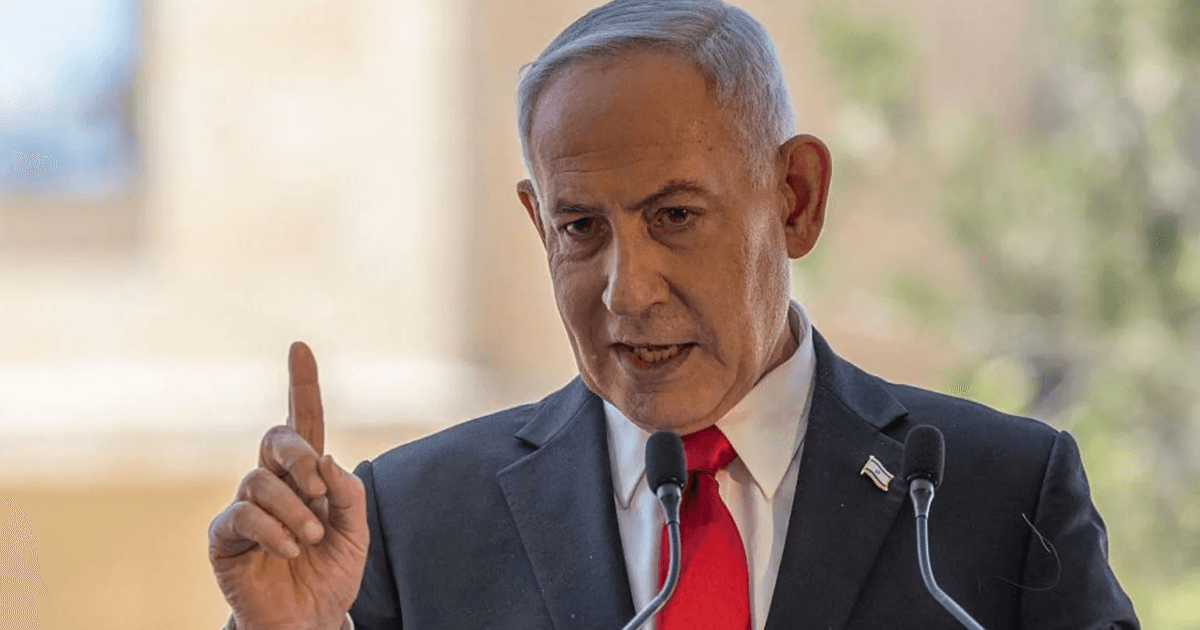
The real story breaks right where a court questions a prime minister's indictment, jolting a fractured parliament into instant recalculation. According to MyJoyOnline and BBC reporting, a panel of judges at the Jerusalem District Court has suggested that state prosecutors drop the most serious bribery charges facing Benjamin Netanyahu. The intervention gives the caretaker leader a sudden political lifeline just as rival lawmakers try to piece together a governing coalition following an inconclusive general election.
The recommendation centers on Case 4,000, where prosecutors accused Netanyahu of trading government favors for positive coverage with the controlling shareholder of Israel's largest telecommunications company. In a rare procedural step, the three-judge panel summoned Israeli Attorney General Gali Baharav-Miara to court on Wednesday to voice deep skepticism. The bench made it clear that continuing down the current path carries vanishingly small odds of securing a guilty verdict.
"The chances of conviction are low – to an extent that warrants reconsidering the matter."
— Judge Rivka Friedman-Feldman, Jerusalem District Court
That judicial warning didn't stop with the telecommunications allegations. The panel also challenged whether a second corruption matter — designated as Case 2,000, involving another alleged quid-pro-quo arrangement with a media executive — actually crosses the legal threshold into criminal conduct. While the judges left room for a potential conviction in Case 1,000 regarding gifts of cigars and champagne tied to an Australian billionaire, they urged a comprehensive public-interest rethink of the entire prosecution strategy.
State prosecutors spent years building these files, leaning on state witnesses, contemporaneous text messages, and internal corporate emails. They argued that regulatory decisions affecting the telecommunications giant directly benefited the media mogul in exchange for flattering headlines. Defence attorneys countered that routine policy adjustments cannot be criminalized simply because a politician disliked the press.
The judges reviewed thousands of pages of testimony before deciding to intervene mid-trial. They didn't issue a formal dismissal, but a bench expressing doubt during proceedings forces the prosecution to weigh its institutional credibility against a likely public defeat. Prosecutors now have to decide whether to press forward with weakened evidence or fold under judicial pressure.
How a Decade of Legal Turmoil Reached This Inflection Point
Netanyahu became the country's first sitting prime minister to face criminal prosecution six years ago, launching a prolonged legal battle that intertwined with deep national polarization. The indictments first materialized in 2019, but court dates stretched across years, slowed further by the wartime security demands of the conflict in Gaza. Throughout every hearing, the prime minister maintained his innocence, characterizing the proceedings as an engineered political attack.
Courtroom security was tight at every appearance, surrounded by crowds of supporters chanting slogans alongside clusters of vocal protesters holding opposing banners. The proceedings cost millions of dollars in public funds and private legal fees, draining resources while parliament debated emergency wartime budgets. Defence teams filed dozens of motions to delay hearings, citing state security demands and the immense administrative burden placed on a sitting war cabinet leader.
Netanyahu seized on the Wednesday court appearance during a televised address, demanding an immediate halt to the legal proceedings. His remarks pointed directly at the personal and professional toll of the protracted trial.
"Ten years of terrible suffering for me, my family, my son,"
— Benjamin Netanyahu, Caretaker Prime Minister
Attorney General Baharav-Miara stated she would review the bench's recommendations. Yet the judicial signal arrives while the wider World News landscape watches Israel's executive branch navigate an exceptionally fragile transition. The corruption trials have long dominated domestic politics, acting as a constant pressure point that critics argue influenced major policy decisions and deepened legislative gridlock.
Diplomats across foreign capitals watched these courtroom developments closely, noting how domestic legal battles invariably constrained executive bandwidth during regional crises. Protesters filled public squares every Saturday night for months, demanding accountability and arguing that no leader stands above the statutory framework of the state.
Coalition Arithmetic and the Immediate Political Fallout
Opponents have frequently asserted that Netanyahu's legal jeopardy locked him into a tight alliance with far-right coalition partners, shaping his administration's controversial judicial overhaul efforts. With the judges now signaling that the core corruption pillars are structurally weak, the political calculus inside the Knesset shifts abruptly.
The timing complicates efforts by political rival Gadi Eisenkot, who currently holds the mandate to attempt forming a governing administration after last month's inconclusive general vote. Although Netanyahu's right-wing bloc secured more individual seats than Eisenkot's faction, both fell short of an outright legislative majority.
Small fringe factions hold the remaining balance of power, demanding key ministerial portfolios and generous budgetary allocations in exchange for their support. A weakened prosecution alters the bargaining leverage across the negotiating table, removing an urgent deadline that previously forced Netanyahu's allies to stick together at all costs.
Even as domestic judges suggest scaling back the corruption trials, legal pressures abroad remain entirely unchanged. Netanyahu continues to face an active arrest warrant from the International Criminal Court for alleged war crimes and crimes against humanity stemming from operations in Gaza, allegations he has similarly rejected as baseless.
International investigators collected testimonies from aid workers, medical personnel, and displaced civilians to build the ICC case file. That transnational warrant restricts Netanyahu's travel options, preventing official visits to dozens of signatory nations that are legally obligated to execute the court's detention orders upon arrival.
As the attorney general weighs the panel's advice on whether to drop the bribery counts, the ruling bloc and its challengers must recalculate their next legislative moves against a suddenly shifting legal backdrop.
Lawmakers return to committee rooms next week with fewer certainties and narrower margins for error. Every party whip is counting heads while checking whether the Jerusalem judges' warning will rewrite the terms of government formation before the constitutional deadline expires.
The Morning Brief
One email a day with the stories that matter. Free, forever.
No spam. Unsubscribe anytime.
Comments (0)
Be the first to share your thoughts.