
House Urges Tinubu to Weigh Emergency Powers as Delta Political Violence Spikes
The House of Representatives has urged President Bola Tinubu to consider invoking emergency powers in Delta State after political violence left six dead.
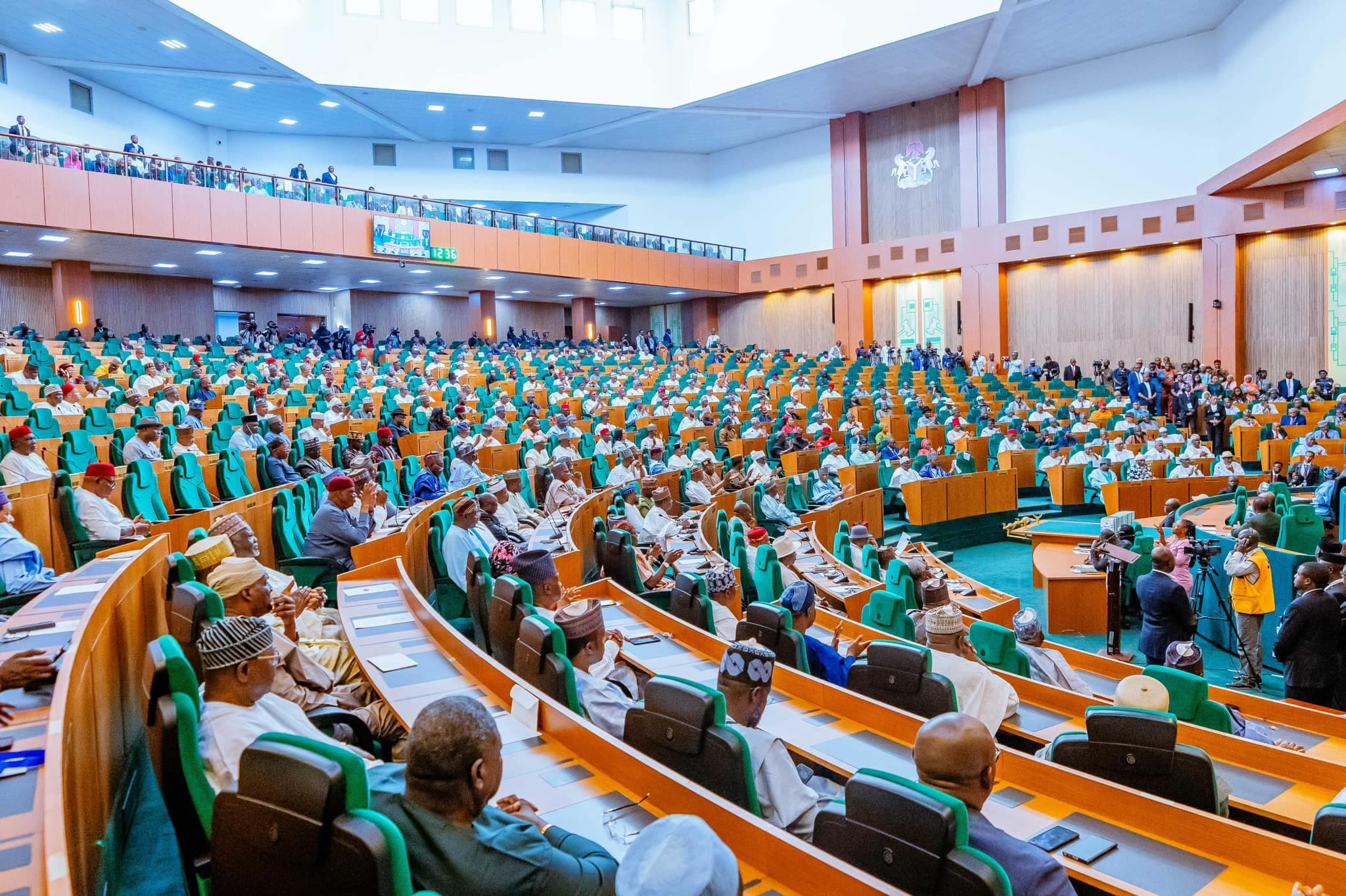
According to Premium Times, the House of Representatives has called on President Bola Tinubu to closely monitor deteriorating security in Delta State and weigh invoking constitutional emergency powers if recurring political violence spirals further out of control. The legislative intervention follows a deadly sequence of clashes, most notably a 23 November attack in the Uduere community of Ughelli North Local Government Area that left six people dead during campaign activities for former Deputy Senate President Ovie Omo-Agege.
The request taps Section 305 of the 1999 Constitution, a clause that lets the president suspend normal governance when public order collapses. That provision was drafted after Nigeria’s return to civilian rule, aiming to give the federal executive a rapid response tool. Critics warn that the tool was meant for brief crises, not for chronic insecurity that has plagued the Niger Delta for decades.
Delta State sits on the oil-rich Niger Delta, a region where armed groups have long contested resource allocation. The area’s history of militancy, coupled with fierce competition for political office, creates a volatile mix. When campaign rallies turn into battlegrounds, the ripple effects reach markets, schools, and families that depend on daily stability.
The 23 November bloodshed unfolded as supporters of Omo-Agege gathered to rally voters. Gunfire erupted from an unknown source, scattering the crowd and leaving six bodies on the road. Survivors described a chaotic scene of smoke, screaming, and a sudden void of police presence. The incident sent shockwaves through nearby LGAs, prompting a dusk-to-dawn curfew that night.
Political stakes climb as the 2027 General Elections approach. Candidates vie for a governorship that controls a share of the nation’s oil revenue. Any perception that the election process cannot guarantee safety threatens voter turnout and may hand advantage to incumbents who can marshal private security.
The Legislative Trigger and Escalating Casualties Across Delta State
The House resolutions followed the adoption of a motion of urgent public importance sponsored by Benedict Etanabene, who represents Delta State under the Peoples Democratic Party banner. The motion cataloged a chilling timeline of bloodletting across multiple local government areas in the build-up to the 2027 General Elections. On 7 November, a political procession along Nnebisi Road in Asaba left one person dead and five injured in clashes confirmed by state police.
Just four days later, on 11 November, a campaign team met violent resistance at Okpai in Ward 4 of Ndokwa East Local Government Area, resulting in five reported injuries. Another mobilization exercise in September in Effurun, Uvwie Local Government Area, ended with a participant sustaining severe machete injuries that ultimately proved fatal. Lawmakers argued that these repeated flashpoints demonstrate an organized strategy to shrink civic space through terror, threatening public safety and the credibility of upcoming democratic exercises.
"The increasing frequency of attacks on political activities, if not urgently addressed, could escalate into widespread breakdown of law and order, threaten peaceful coexistence and undermine the credibility of the democratic process ahead of the 2027 General Elections."
— Benedict Etanabene, Member, House of Representatives
Etanabene’s warning frames the violence as a systematic erosion of democratic norms, not isolated outbursts. By linking each incident to a broader pattern, the motion pushes the legislature to treat the crisis as a national security issue rather than a local policing problem.
Beyond the immediate loss of life, each clash forces community leaders to suspend public meetings, disrupts school attendance, and stalls small-scale trade. Families mourn while also fearing retaliation if they speak out, creating a climate of silence that emboldens attackers.
Under-the-Hood Mechanics of Law Enforcement Passivity
Beneath parliamentary demands for presidential intervention lies an uncomfortable operational reality regarding police deployment during campaign events. Mr Etanabene specifically cautioned security operatives against remaining passive spectators while rival factions clash in public view. In many flashpoint zones, officers face severe numerical disadvantages, a lack of specialized riot gear, and conflicting directives from local political kingmakers who control informal security networks.
When tactical units arrive late or watch from the sidelines, perpetrators calculate that the risk of arrest is practically zero. This systemic vacuum emboldens sponsors to finance armed proxies with impunity. The Inspector-General of Police has since ordered an independent investigation into the Uduere bloodshed, specifically examining the conduct of officers deployed to the scene who allegedly failed to prevent the slaughter before the Delta State Government slapped a dusk-to-dawn curfew across Ughelli North.
Police stations in the affected LGAs often operate with fewer than ten officers for populations exceeding a hundred thousand. Vehicles are aging, radios crackle with static, and night-vision equipment is rare. Such constraints mean that even a well-intentioned command struggles to project force quickly enough to deter armed thugs.
Local political figures sometimes wield informal influence over police commanders, directing them to prioritize certain neighborhoods while ignoring others. This patron-client dynamic creates pockets where law enforcement is effectively neutered, allowing violence to fester unchecked.
The upcoming investigation promises to audit resource allocation, chain-of-command decisions, and any political interference that may have hampered response. Its findings could trigger disciplinary action, but they could also expose deeper governance gaps that require federal budgeting reforms.
Parliamentary Mandates and the 2027 Electoral Countdown
To break this cycle, the House has instructed key legislative committees—including those covering Police Affairs, National Security and Intelligence, Electoral Matters, and Political Parties—to grill the Inspector-General of Police. These panels must report back within two weeks with actionable oversight measures. Furthermore, the police leadership has been directed to summon all Delta State governorship candidates to remind them of statutory boundaries outlined in the Electoral Act.
Yet summoning politicians to sign peace pacts rarely stops armed thugs funded by shadow networks. If federal intervention merely produces more closed-door meetings without prosecuting high-level sponsors, the violence will simply migrate to different wards. That leaves President Tinubu facing a grim operational dilemma: authorize an intrusive state of emergency that alienates local stakeholders, or watch the Politics landscape in the Niger Delta descend into armed anarchy ahead of the next ballot.
Declaring a state of emergency would grant the president authority to mobilize the army, impose curfews, and suspend certain civil liberties. Such a step could restore order quickly, but it also risks inflaming ethnic tensions and drawing criticism from human-rights groups. The president must weigh short-term security gains against long-term political legitimacy.
If Tinubu opts for a measured approach, he could task the Ministry of Interior with deploying additional rapid-response units, while simultaneously funding the procurement of riot helmets and communication gear for local police. This hybrid strategy aims to shore up capacity without triggering the constitutional alarm bells that emergency powers set off.
Stakeholders outside the legislature—civil society groups, religious leaders, and local business chambers—have begun issuing statements urging restraint and dialogue. Their voices add pressure on both the executive and the lawmakers to find a solution that protects voters without silencing them.
As the two-week deadline looms, committee chairs are drafting a list of recommendations that may include a temporary suspension of campaign rallies in high-risk LGAs, a mandatory reporting protocol for any violent incident, and a transparent audit of police funding. The recommendations will be tabled in the House floor before the end of the month.
The next steps will hinge on how quickly the president’s office can translate legislative pressure into concrete deployments. Whether the response leans toward a full emergency proclamation or a targeted reinforcement of police capacity will shape the tone of the 2027 elections across Delta and possibly set a precedent for other volatile regions.
The Morning Brief
One email a day with the stories that matter. Free, forever.
No spam. Unsubscribe anytime.
Comments (0)
Be the first to share your thoughts.