
Indonesia Disaster: 13 Dead and 13 Trapped After Heavy Rains Flood Illegal Gold Mine
Monsoon rains triggered a catastrophic flood at an illegal Indonesian gold mine, leaving 13 dead and 13 trapped as rescuers fight mud.
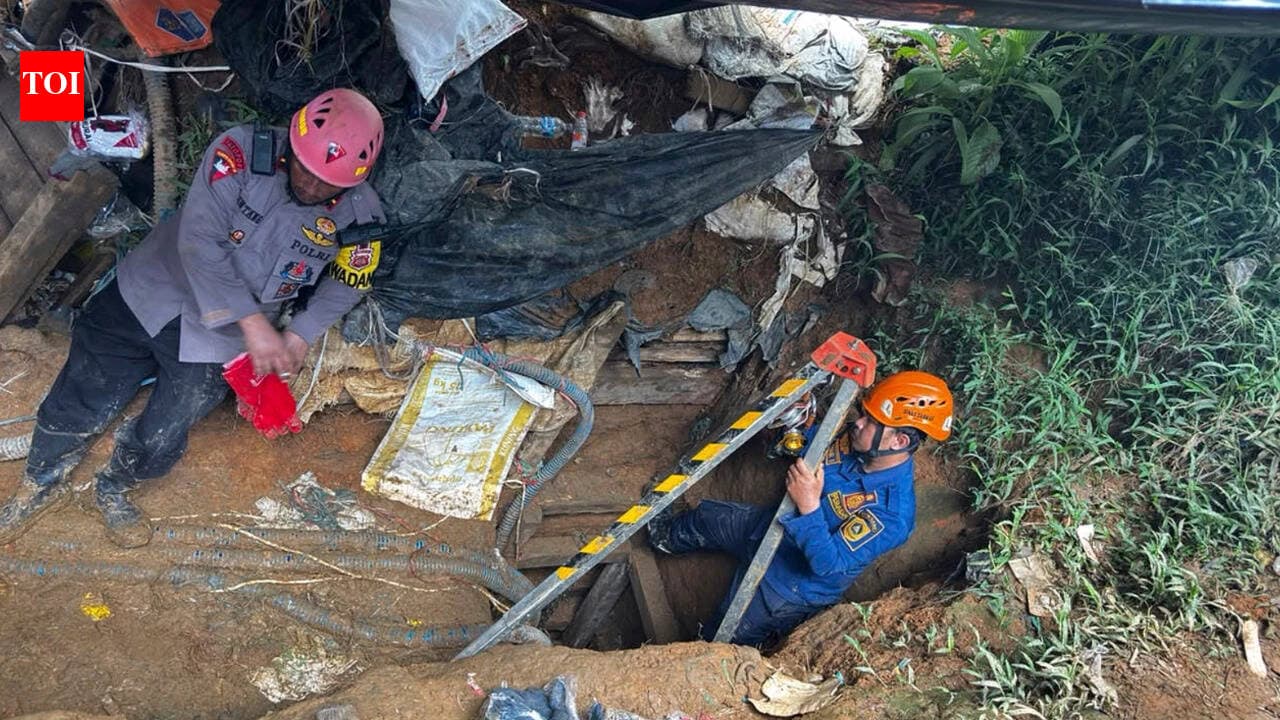
According to Times of India, torrential monsoon rains triggered a catastrophic flash flood that inundated an illegal gold mine in Indonesia, leaving 13 miners dead and another 13 trapped underground. The deadly disaster highlights the lethal intersection of impoverished rural economics and unregulated subterranean extraction across remote regional networks. Rescue teams are racing against shifting mud and unstable shafts to reach survivors before oxygen supplies run out.
Mainstream analysts typically dismiss these underground operations as rogue anomalies outside the formal Economy & Markets apparatus. That consensus misses the point completely. Unlicensed pits like this one operate far beyond basic safety codes.
They function as a sprawling, informal shadow economy that absorbs thousands of displaced agricultural workers when crop yields fail. Official enforcement sweeps routinely fail because poverty makes the risk of drowning underground look better than starvation above ground.
Who Gains Leverage and Who Absorbs the Fatal Costs
Local syndicates and black-market middlemen capture almost all the financial upside from these remote extraction sites while assuming zero liability for worker safety. They provide crude pumps, inadequate timber shoring, and negligible ventilation while pocketing top-dollar rates for raw bullion. When disaster strikes, these operators vanish into the jungle long before emergency personnel arrive at the mud-slicked perimeter.
The Desperate Calculus Facing Rural Miners
Individual workers face a brutal financial equation every morning they descend into the flooded shafts. Daily earnings in these illegal tunnels often exceed standard agricultural wages by a factor of 4 or 5. That cash disparity forces desperate laborers to ignore obvious structural hazards and rising water tables.
Most families have zero savings accounts or access to traditional bank loans. They rely entirely on cash advances from middlemen who control the mine entrance. This debt trap binds laborers to the pit long before the seasonal rains arrive.
Local Authorities Caught Between Regulation and Riot
Regional police and district officials find themselves pinned between strict national mining statutes and local economic rebellion. Shutting down a single high-yield pit can spark immediate community protests from families who depend on the black-market cash flow. Corruption acts as a greasy safety valve that keeps inspectors looking the other way until a body count forces national intervention.
Provincial budgets rarely cover the cost of deploying permanent guard units to every remote hillside. When district officers do seize equipment, miners often pool their meager resources to buy back confiscated diesel pumps from corrupt deputies. This cyclical bribery prevents any permanent legal reform at the municipal level.
Geological Bottlenecks and the Mechanics of Subterranean Collapse
Heavy seasonal downpours act as an immediate hydraulic hammer on unengineered excavation tunnels carved deep into hillsides. Unlike commercial industrial mines equipped with automated drainage pumps and engineered geotechnical monitoring, these illegal sites rely on jury-rigged combustion engines. Once a sudden mudslide blocks the narrow adit, rising water levels leave zero margin for escape.
Soil saturation rates surge within hours of a tropical cloudburst. Without professional retaining walls or engineered drainage canals, topsoil liquefies and pours directly into the pit mouth. Miners trapped 50 meters underground hear the slurry coming long before the tunnels fill.
Why Manual Digging Slows Down Emergency Responders
Rescue operations face an agonizing race against time as oxygen-depleted air pockets shrink inside the flooded tunnels. Heavy machinery cannot navigate the narrow jungle tracks leading to the pithead, forcing elite emergency responders to clear tons of mud and debris by hand. Every hour of delay shifts the operation from a rescue mission to a grim body recovery effort.
Volunteers and civil protection units rely on hand shovels and plastic buckets to bail water from blocked adits. Their efforts stall every time a secondary landslide dumps fresh mud into the working trench. National disaster agency directors admit that mechanical excavators sit idle miles away due to impassable bridge weight limits.
The Enforcement Deadlock and Upcoming Regional Milestones
National lawmakers now face intense pressure from international World News monitors to clean up illicit resource extraction before trade sanctions bite. Yet, bureaucratic inertia and local graft routinely blunt central government mandates. Without viable alternative employment programs in rural districts, any crackdown merely pushes miners deeper into more remote and hazardous terrain.
Export certification boards demand strict supply chain tracing for gold leaving Southeast Asian ports. Unlicensed bullion routinely sneaks past customs by mixing with legally declared output from industrial operators. This laundering mechanism shields syndicate bosses from foreign trade penalties.
How Provincial Governors Plan to Handle the Monsoon Peak
The upcoming monsoon peak will test whether provincial governors can enforce emergency closures across thousands of scattered illegal dig sites. If local authorities blink again, more underground tombs will fill up with water before the dry season finally brings temporary relief to the valleys.
District police chiefs received orders to arrest syndicate financiers rather than low-level shovel operators this season. Whether those warrants translate to actual jail time depends on local political alliances forged long before the floods hit.
The Morning Brief
One email a day with the stories that matter. Free, forever.
No spam. Unsubscribe anytime.
Comments (0)
Be the first to share your thoughts.