
CIA Open-Source Intelligence System Hit by Cyberattack, US Media Reports
A recently discovered hack on a CIA analysis system exposed unclassified information, adding to a mounting wave of cyberattacks and technical outages across US government departments.
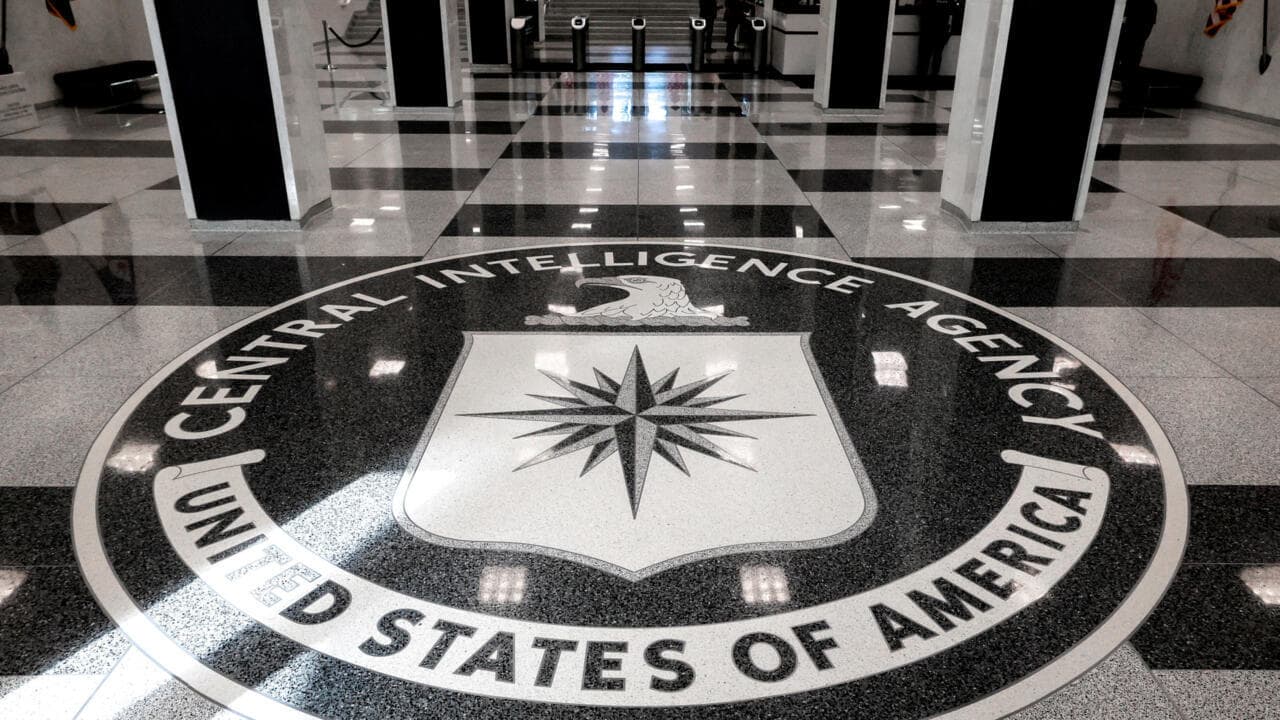
According to France 24, a newly discovered cyberattack on a Central Intelligence Agency analysis system has exposed unclassified information, plunging federal digital infrastructure back into the spotlight. The breach targeted an open-source intelligence analysis network used to sift through public material, highlighting mounting systemic vulnerabilities across government departments.
How can an unclassified system compromise national security data, and why are federal networks suddenly stumbling under relentless digital pressure? To understand the current crisis, we have to look at how modern intelligence agencies handle data and the competing forces pushing government tech to its absolute limit.
Open-Source Data Ingestion vs. Classified System Isolation
On one side of the digital divide sits the open-source intelligence network, a computer system designed to aggregate public and semi-public data from around the globe. Intelligence analysts rely heavily on these open feeds to spot patterns, translate foreign media reports, and track public events. While the data itself is technically public, compiling it in one place creates a high-value map of analyst interest.
When hackers breached this analysis system, which is shared by the CIA and the Office of the Director of National Intelligence, they tapped directly into that digital map. US officials familiar with the matter confirmed to The New York Times that classified material remained uncompromised and the specific intrusion has since been resolved. Yet the exposure reveals how porous auxiliary networks can become when they interface with vast waves of external data.
That vulnerability creates an immediate operational dilemma for federal IT architects. If they lock down external feeds entirely, analysts lose the speed and breadth of modern information gathering. If they leave the ingestion engines running wide open, they invite sophisticated intruders looking for a back door into broader agency infrastructure.
Intelligence agencies generate petabytes of unstructured text, video, and audio every single day. Translating foreign broadcasts, reading local social media channels, and scraping commercial shipping manifests require wide conduits. When an attacker slips into those conduits, they gain visibility into which foreign leaders, military units, or supply chains are currently drawing the most attention from desks at Langley.
Agency watchdogs have warned for years that porous firewalls between unclassified collection tools and internal analytical databases invite lateral movement. Although strict air-gapping traditionally separated secret networks from the public internet, modern analyst workflows demand seamless data bridging. That operational demand directly compromises isolation guarantees.
Contractors and external software vendors often manage these open-source ingestion platforms, adding third-party risk to deeply sensitive environments. If a vendor's update server or remote maintenance port is compromised upstream, the infection can quietly tunnel down into federal servers before anyone notices. That hidden vector turns routine data collection into a high-stakes gamble.
Rapid System Upgrades vs. Legacy Vulnerability Backlogs
On the opposing side of the debate stands the relentless pressure to patch, upgrade, and modernize legacy government systems before adversaries strike. Director of National Intelligence Jay Clayton pointed directly to this dilemma on Sunday, explaining that recent technological outages largely stem from a frantic rush to stay ahead of hackers armed with artificial intelligence tools.
Those AI-driven tools allow threat actors to probe networks at an unprecedented scale, forcing federal agencies to deploy hurried software updates just to keep pace. That frantic patching cycle has triggered severe collateral damage across American infrastructure. In recent weeks, the Agriculture Department and the FBI faced reported cyberattacks, while an internal NSA network handling classified communications suffered temporary offline status. Commercial giants including Apple, JPMorgan Chase, and Microsoft also experienced cascading system failures.
That wave of digital instability culminated in a nationwide ground stop that snarled air travel after air traffic controllers struggled to communicate with pilots. White House cybersecurity chief Sean Cairncross was fired last week as congressional and public criticism mounted over the mounting failures. President Donald Trump told Fox News on Saturday that he had only recently learned of the FBI breach, bluntly noting that the situation was unacceptable.
Federal legacy codebases often run on outdated operating systems that stopped receiving vendor support years ago. Replacing these ancient architectures requires massive budgetary appropriations and complex migrations that risk shutting down essential government services for days or weeks. Administrators therefore rely on fragile patches and custom wrapper scripts to keep critical databases functional.
When state-sponsored hacking groups deploy machine learning algorithms to scan millions of lines of government code per hour, human administrators cannot win a manual defense. They must deploy automated remediation scripts, which frequently introduce breaking changes, logic errors, and unexpected downtime. The speed required to block AI-powered attackers directly undermines system stability.
Private sector vendors aren't immune to this operational strain, as demonstrated by the recent widespread outages at Apple, Microsoft, and JPMorgan Chase. When core enterprise dependencies fail, the ripple effects slam directly into federal contractors who share the same cloud providers and software libraries. The modern software supply chain is deeply interconnected, meaning a single flaw in a commercial library can disable an intelligence network just as easily as a direct phishing campaign.
Where Federal Digital Security and Infrastructure Pressures Intersect
The friction between rapid software deployment and airtight network defense leaves security teams caught in an impossible squeeze. Agencies cannot afford to slow down their modernization efforts while state-sponsored hackers leverage advanced machine learning to exploit every unpatched line of code. At the same time, rushing those fixes introduces the exact kind of system instability that grounds airplanes and knocks out internal communications.
As federal investigators work to determine who was behind the CIA system intrusion, the broader fallout continues to reverberate through Washington. The underlying software flaws have been plugged, but the structural race between automated attackers and overwhelmed system administrators shows no signs of slowing down.
Congressional oversight committees are already preparing hearings to demand accountability for the recent string of infrastructure failures. Lawmakers want to know why agencies failed to isolate critical functions before pushing updates into production environments. Budget requests for the next fiscal cycle will likely tie modernization funds directly to strict uptime and containment metrics.
System administrators face burning out under the constant pressure of emergency patching cycles and political fallout from sudden outages. When a single botched update can trigger nationwide flight groundings or high-level firings, the psychological toll on IT personnel spikes dramatically. Retaining top-tier technical talent within federal agencies becomes nearly impossible when public blame immediately follows every technical glitch.
Foreign adversaries are watching these cascading failures closely to gauge American defensive readiness and response times. Every hour an internal NSA network spends offline or an FBI database remains compromised provides valuable intelligence to hostile actors. The race to modernize federal infrastructure is no longer just an internal IT management challenge; it is a central test of national resilience against automated adversaries.
The Morning Brief
One email a day with the stories that matter. Free, forever.
No spam. Unsubscribe anytime.
Comments (0)
Be the first to share your thoughts.