
Russian Naval Convoy Abandons Libya Route Following Port Strike
A Russian military convoy turned around in the Mediterranean after Ukrainian drones sank a naval corvette in Benghazi, forcing a major logistical rethink.
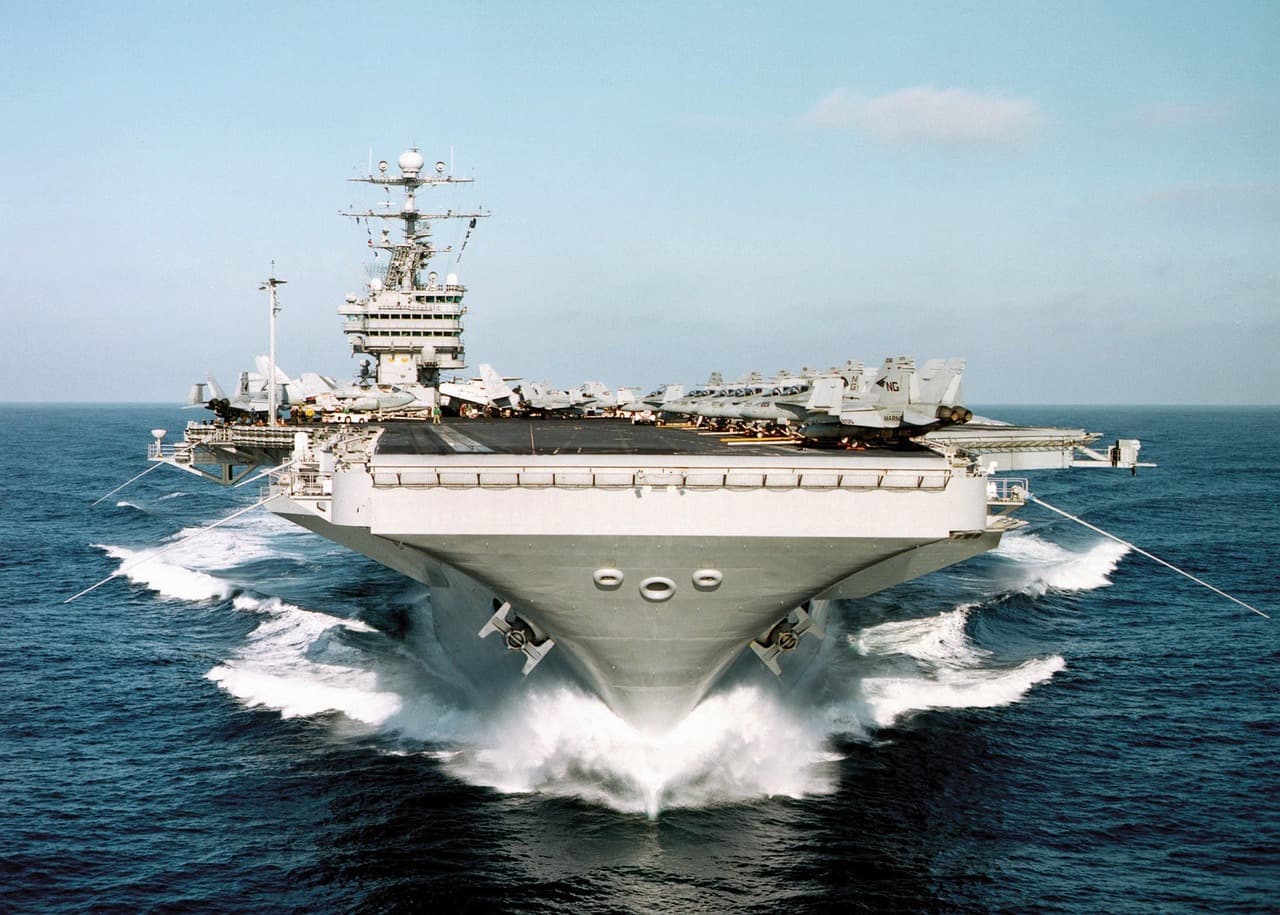
According to Reuters, a Russian military convoy carrying vehicles and supplies toward North Africa reversed course in the Mediterranean after a surprise sea drone strike destroyed a docked warship in Libya. The sudden retreat exposes unexpected vulnerabilities in Moscow's naval logistics chain some 2,000 kilometers away from the active front lines in Ukraine. Military planners now face hard choices about how to secure supply lines across open waters.
Intelligence officials from European and Middle Eastern defense agencies confirmed that the damaged fleet turned away from Benghazi port immediately following the Nov 22 attack. The incident marks a striking tactical escalation in maritime drone warfare, demonstrating that Ukrainian asymmetric capabilities can reach far beyond the Black Sea basin.
The November 22 Strike on Benghazi Port
Satellite imagery reviewed by defense analysts confirmed the destruction of a Russian corvette docked at the Benghazi naval base. The vessel, intended to project maritime power and safeguard supply corridors, proved entirely defenseless against low-profile uncrewed surface vessels packed with explosives.
Port authorities in North Africa usually focus customs enforcement on commercial cargo rather than defending against autonomous surface weapons. When the unmanned craft detonated against the moored hull, the blast breached vital compartments and immediately disabled the ship's onboard power generation systems.
Asymmetric Tactics Reach the Mediterranean
Naval architects have long warned that traditional surface combatants lack adequate close-in defense mechanisms against low-signature drone swarms operating in confined port waters. Ukraine's deployment of sea drones into North African waters signals a fundamental shift in expeditionary warfare economics. A relatively inexpensive autonomous craft can neutralize a multi-million-dollar warship, forcing major military powers to rethink port security postures globally.
Defense ministries from Washington to Tokyo are now studying the Benghazi telemetry to update anti-sabotage doctrines for overseas berths. Standard radar packages often fail to detect fiberglass hulls riding flush with the waterline in choppy harbor conditions.
Operators rely heavily on manual visual spotting from deck guards who cannot maintain 360-degree vigilance around the clock. That human blind spot grants low-cost autonomous weapons an asymmetric opening against heavily armed military vessels.
Logistical Disruptions Along African Supply Corridors
The sunken corvette shattered the defensive screen protecting secondary transport vessels carrying military hardware to North African outposts. Without proper escorts, cargo masters deemed the transit route too hazardous to continue without substantial reinforcements.
Supply officers rely on these maritime lanes to ferry spare parts, fuel bladders, and wheeled transport vehicles to regional partners. Halting the convoys strands vital maintenance components on floating freighters while shore facilities exhaust their current stockpiles.
Commercial charter captains operating in the same sectors are now refusing cargo insurance packages that lack naval guarantees. This commercial caution drives up charter rates and delays every scheduled manifest across the basin.
Secondary Flotilla Diverts Near the Strait of Sicily
A separate convoy escorted by the Russian navy frigate Golovko experienced an identical operational freeze near the Strait of Sicily on the exact day of the Benghazi strike. European maritime tracking officials monitored the sudden maneuver as the warships altered their headings to avoid potential ambushes.
The Golovko command crew broadcast no distress calls during the course correction, communicating solely through encrypted burst transmissions to regional headquarters. Transponder logs show the convoy cutting speed from 18 knots down to a defensive loiter mode.
Commercial vessels in the vicinity reported receiving advisory warnings from naval patrols to maintain a wide berth of 15 nautical miles. This sudden rerouting clogged shipping lanes normally reserved for container traffic moving between Malta and Sicilian ports.
The Algerian Coast Staging Area
Intelligence confirmations place this second diversionary flotilla in a holding pattern off the coast of Algeria as commanders await further directives from Moscow. The unplanned pause leaves crucial military hardware stranded at sea while logistics officers evaluate the risk profile of central Mediterranean transit lanes.
Anchoring capital ships in unfortified holding areas creates a soft target for any secondary strike packages operating in the region. Crew members must maintain continuous anti-sabotage watches while mechanics perform emergency repairs in heavy sea swells.
Local harbor authorities in Algeria have kept their distance from the idling warships to avoid diplomatic entanglements with NATO monitoring fleets. The floating military camp sits as an unwelcome guest just outside territorial waters, burning precious bunker fuel.
Command Decisions Under Maritime Uncertainty
Naval commanders must now weigh the political necessity of maintaining North African infrastructure against the escalating risk of losing capital ships to unheralded drone attacks. Every day spent idling off the Algerian coast burns fuel and strains mechanical tolerances on aging hulls.
Decision-makers back in Moscow face competing demands between reinforcing the Black Sea perimeter and protecting long-range expeditionary routes. Splitting scarce fleet assets leaves both theaters exposed to opportunistic asymmetric attacks by nimble adversaries.
Captains on the ground lack the local intelligence networks needed to map out drone launch sites hidden along rugged coastal coves. Operating blind in foreign waters forces a permanent state of defensive paralysis upon expeditionary groups.
Broader Implications for Regional Power Projections
The forced retreat illustrates how modern Security calculations must account for long-range asymmetric reach even in waters considered secure by traditional naval powers. Moscow's defense ministry has offered no public commentary on the logistical scramble, leaving regional observers to monitor satellite passes for signs of renewed movement.
Geopolitical rivals in the Mediterranean are quietly taking notes on how a handful of remote-controlled boats can disrupt superpower logistics chains. The incident strips away the aura of invulnerability traditionally associated with blue-water naval deployments.
Small coastal states now realize they can deter foreign interventions without investing in billion-dollar submarine fleets or fighter wings. Autonomous systems equalize the playing field for outmatched defenders guarding narrow maritime chokepoints.
The Strain on Russian Naval Assets
Repairing or replacing a sunken corvette in the current geopolitical climate presents severe industrial hurdles for shipyards facing international trade restrictions. Naval planners can ill afford to lose operational hulls to unconventional threats far from home ports.
Domestic dry docks are already tied up with repair backlogs stemming from combat damage sustained in the Black Sea theater. Pulling skilled technicians away from primary shipyards to service stranded Mediterranean hulls creates cascading delays across the entire fleet schedule.
Replacement parts for modern propulsion systems require specialized machine tools that are increasingly difficult to source under trade embargoes. Every lost corvette represents an irreplaceable drop in total deployable tonnage.
Strategic Adjustments in Trans-Mediterranean Transit
Maritime authorities across the World News landscape are quietly reviewing how port access protocols must adapt to autonomous naval threats. The Benghazi incident guarantees that future military deployments through international checkpoints will demand heavier escorts and radically altered defensive doctrines.
Port captains are installing acoustic sensors and underwater sonar nets designed to detect low-frequency propeller signatures in shallow water. These safety upgrades cost millions of dollars and require months of specialized engineering work to complete.
Military freight handlers now insist on conducting cargo transfers only during daylight hours under the watchful eyes of armed patrol helicopters. These added layers of caution strip away the speed and flexibility that made maritime logistics attractive in the first place.
The Morning Brief
One email a day with the stories that matter. Free, forever.
No spam. Unsubscribe anytime.
Comments (0)
Be the first to share your thoughts.