
Paris Fury Retracts Schizophrenia Claim Ahead of Anthony Joshua Bout
Paris Fury has retracted claims that heavyweight boxer Tyson Fury was diagnosed with schizophrenia, prompting Netflix to update an upcoming documentary ahead of his Cardiff bout.
Cardiff Showdown Pressures and Documentary Edits
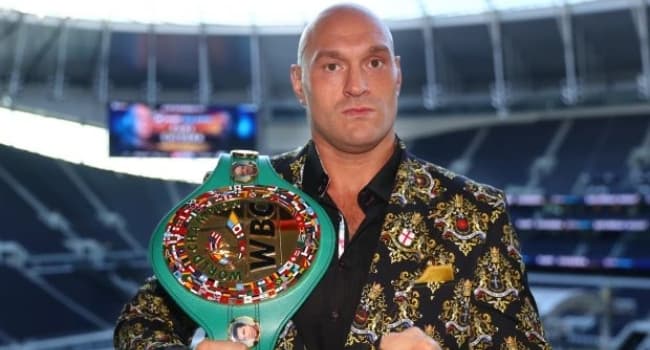
According to Channels Television, Paris Fury has formally retracted a claim that her husband, British heavyweight boxer Tyson Fury, was diagnosed with schizophrenia. The retraction arrives just weeks before the 38-year-old fighter is scheduled to meet Anthony Joshua in Cardiff on December 11.
The controversy emerged from promotional clips for an upcoming Netflix documentary focusing on the boxer's career. In initial cuts of the project, Paris stated that her husband had experienced mild schizophrenia following his 2015 victory over Wladimir Klitschko. Those remarks immediately drew scrutiny from athletic regulators and media outlets alike ahead of the high-stakes Sports calendar.
Cardiff’s arena expects to sell out its 15,000 seats, a boost that could lift local hospitality revenue by an estimated 12 percent during fight week. The city council has earmarked additional security funds, citing the event’s potential to attract overseas tourists and high-profile media crews.
Economic Stakes for Cardiff and Broadcasters
Broadcasters project a viewership peak of 8 million in the United Kingdom alone, a figure that rivals the nation’s most watched sporting events of the year. Advertising partners have already secured premium slots, betting on the bout’s drama to drive real-time engagement.
Local vendors report a surge in pre-order orders for merchandise, food, and transport services. A nearby hotel chain estimates that room bookings have risen by 30 percent since the fight was announced, underscoring the event’s ripple effect beyond the ring.
The Regulatory Response and Board Inquiries
The British Boxing Board of Control indicated shortly after the trailer's release that it was examining the documentary's claims regarding the fighter's medical history. Robert Smith, the general secretary of the boxing board, later informed the BBC that regulators felt fairly confident the heavyweight would be cleared for the December bout.
Athletic commissions maintain strict oversight regarding fighter health, particularly when neurological or severe psychiatric conditions are raised publicly. Medical clearances require formal diagnostic paperwork rather than informal recollections shared on camera. The board's swift inquiry highlighted the delicate intersection between promotional media narratives and athletic licensing standards.
Licensing Timeline and Fighter Clearance
After the board’s initial review, a medical panel convened within 48 hours to request any existing psychiatric evaluations. Tyson Fury’s team submitted a comprehensive health dossier that included recent neurological scans and a letter from his current physician confirming fitness to compete.
The panel granted provisional clearance on the condition that no new psychiatric diagnosis be added to the record. This provisional status allowed the fight promoter to continue ticket sales while the board completed its final verification steps.
Image: channelstv.comExamining the Gap Between Informal Recollection and Clinical Reality
Public discussions around mental health often rely on colloquial terms that fail to reflect actual clinical diagnoses. Viewers frequently assume that documentary features present verified medical records, yet families often speak from emotional memory rather than clinical charts. Paris addressed this distinction directly in her clarifying statement.
I want to clarify a statement I made in the original version of the Tyson Fury documentary.
— Paris Fury, Spouse
She explained that she had recalled a conversation from many years ago and mistakenly used the specific clinical label. While acknowledging that the heavyweight displayed certain symptoms associated with the condition during his darkest periods, she confirmed that no formal diagnosis had ever been issued by a medical professional.
Psychiatric professionals note that lay descriptions of “schizophrenia” can mask a range of mood or anxiety disorders, especially when used in casual conversation. This mismatch can mislead audiences and complicate the athlete’s public image, prompting the need for precise language in any televised portrayal.
Medical Records vs. Personal Memory
When a family member recalls a past conversation, the memory may capture tone and emotion but rarely includes diagnostic criteria. In Tyson Fury’s case, the recollection involved a brief remark made during a post-fight interview in 2015, a time when the fighter was still processing his first major triumph.
Official medical records, by contrast, require a licensed psychiatrist to document symptoms, duration, and functional impact before a diagnosis can be entered. The absence of such paperwork means that any claim of a formal label remains unverified.
Image: channelstv.comWeighing Historical Battles Against Upcoming Ring Aspirations
The documentary arrives as the fighter prepares for one of the most lucrative matchups in British boxing history. Following his 2015 victory over Klitschko, the athlete stepped away from the sport for nearly three years while battling severe personal crises, weight gain, and suicidal ideation.
The fighter previously detailed the severity of those struggles in various interviews, describing harrowing mental states and auditory hallucinations. Despite those historical hurdles, he rebuilt his career, capturing the WBC title against Deontay Wilder in February 2020 and maintaining a prominent position in the heavyweight division despite subsequent losses to Oleksandr Usyk.
From Klitschko to Wilder: A Career Pivot
After the 2015 win, Fury’s weight climbed to over 280 pounds, a stark contrast to his leaner fight-ready frame. The excess weight contributed to joint pain and reduced stamina, prompting doctors to advise a structured rehab program.
His return to the ring involved a disciplined diet, daily cardio, and a mental-health regimen that included therapy and mindfulness practices. The 2020 victory over Wilder marked the first time a British heavyweight reclaimed a world title in a decade, reshaping the sport’s power dynamics.
Title Implications and the Road to December 11
The upcoming bout in Cardiff carries significant championship weight for both competitors. With the vacant WBA title set to be contested, a victory would cement a historic third world title reign for the British veteran.
Family members have emphasized resilience as the core theme of the new project rather than specific diagnostic labels. Paris expressed pride in her husband's willingness to discuss his vulnerabilities openly on camera, thanking supporters for their continued backing as the family navigates the intense media spotlight leading into fight week.
Media Narrative and Fan Expectations
Fans have taken to social platforms to debate whether Fury’s mental-health journey will influence his performance. Betting odds have tightened, with bookmakers moving the line from +150 to +120 in the week following the documentary’s trailer release.
Commentators note that the narrative of redemption may add psychological pressure, yet also provide a rallying point for supporters who view the fight as a test of personal fortitude. The blend of sport and personal storytelling promises a compelling backdrop for what could become a defining moment in British boxing.
The Morning Brief
One email a day with the stories that matter. Free, forever.
No spam. Unsubscribe anytime.
Comments (0)
Be the first to share your thoughts.