
Iran Warns South Korea Over Gulf Naval Expansion Amid Rising Middle East Tensions
Iran warns South Korea that expanding naval operations in the Gulf will heighten tensions, as Seoul reviews a plan to widen its naval unit's operating zone.
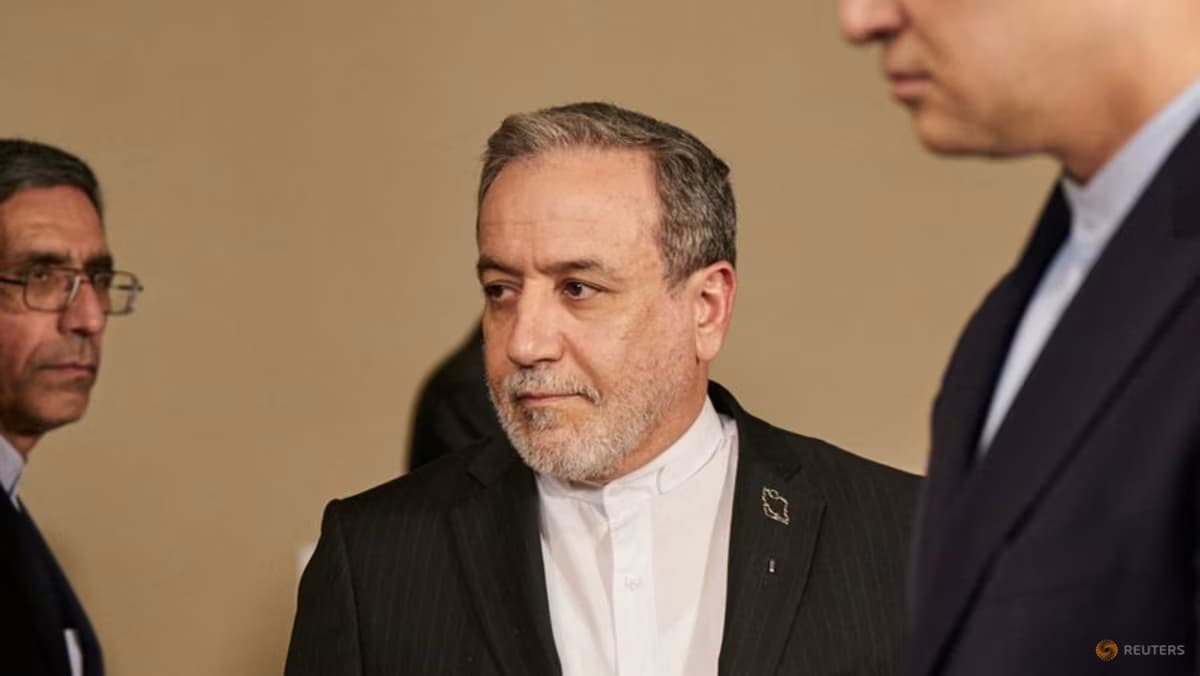
Tehran Pushes Back as Seoul Weighs Expanding Naval Operations Near the Strait of Hormuz
According to reports from Channel NewsAsia, Al-Monitor, and The Straits Times, Iranian Foreign Minister Abbas Araqchi warned South Korean counterpart Cho Hyun in a phone call on Thursday that deploying foreign naval units to Gulf waters will escalate friction rather than secure trade lanes. The diplomatic friction surfaces as South Korea's parliament reviews a legislative motion to widen the operational boundaries of its Cheonghae anti-piracy unit southward toward the Gulf of Oman.
For ordinary citizens and business owners who rely on stable energy imports, this diplomatic standoff highlights just how fragile maritime trade routes remain when regional flashpoints collide with global supply chains.
To understand why this naval redeployment matters for international shipping, we have to look closely at how maritime security missions operate in practice. South Korea relies heavily on unobstructed maritime corridors for its energy needs, importing roughly 70 percent of its crude oil from the Middle East during 2025 through the narrow Strait of Hormuz.
When commercial tankers face mounting geopolitical risks, governments often feel compelled to deploy armed escorts to protect vital economic interests. Yet that same defensive posture frequently triggers immediate alarm bells in Tehran, where officials view outside naval patrols as an unwelcome escalation on their doorstep.
Inside the Cheonghae Unit Operational Mandate and Trade Protection
Established back in 2009, the Cheonghae anti-piracy unit has spent more than a decade patrolling the Gulf of Aden to safeguard commercial shipping against regional piracy threats. The current legislative review seeks to stretch those existing operational boundaries into outer waters south of the Gulf of Oman, ensuring that South Korean flagged vessels have continuous naval cover as they approach critical chokepoints.
While Seoul maintains that the deployment is strictly defensive and aimed at securing the safety of its citizens and merchant vessels, foreign policy analysts note that shifting naval assets into contested zones inevitably complicates local military calculations.
Tehran Diplomatic Warnings and the Risk of Wider Entanglements
During their Thursday phone consultation, Foreign Minister Araqchi made it clear that adding external military firepower to the region achieves the exact opposite of its intended stabilization goal. The Iranian embassy in Seoul emphasized that such actions threaten to widen ongoing hostilities across critical shipping lanes used by nations worldwide.
Foreign Minister Cho Hyun countered by assuring Seoul does not intend to join any active conflict or deploy ground troops to the Gulf, framing the initiative purely around economic self-defense and commercial protection.
would instead heighten tensions and expand the scope of conflict
— Abbas Araqchi, Iranian Foreign Minister
That sharp divergence in diplomatic intent leaves commercial operators caught in the middle of escalating geopolitical posturing. With global energy markets depending on frictionless passage through regional waterways, every legislative vote and ministerial warning directly impacts shipping insurance rates and delivery timelines. As lawmakers in Seoul debate the final parameters of the naval expansion, the unfolding standoff serves as a reminder of how quickly routine defense adjustments can trigger international friction.
The Morning Brief
One email a day with the stories that matter. Free, forever.
No spam. Unsubscribe anytime.
Comments (0)
Be the first to share your thoughts.