
US-led Frontier Minerals Wins Kenya’s $60 bn Mrima Hill Mining Tender, Outpacing Chinese Bidders
Frontier Minerals, a U.S. consortium, secured Kenya's $60 bn Mrima Hill mining rights, pledging in‑country processing and sparking a new front in the US‑China race for critical minerals.
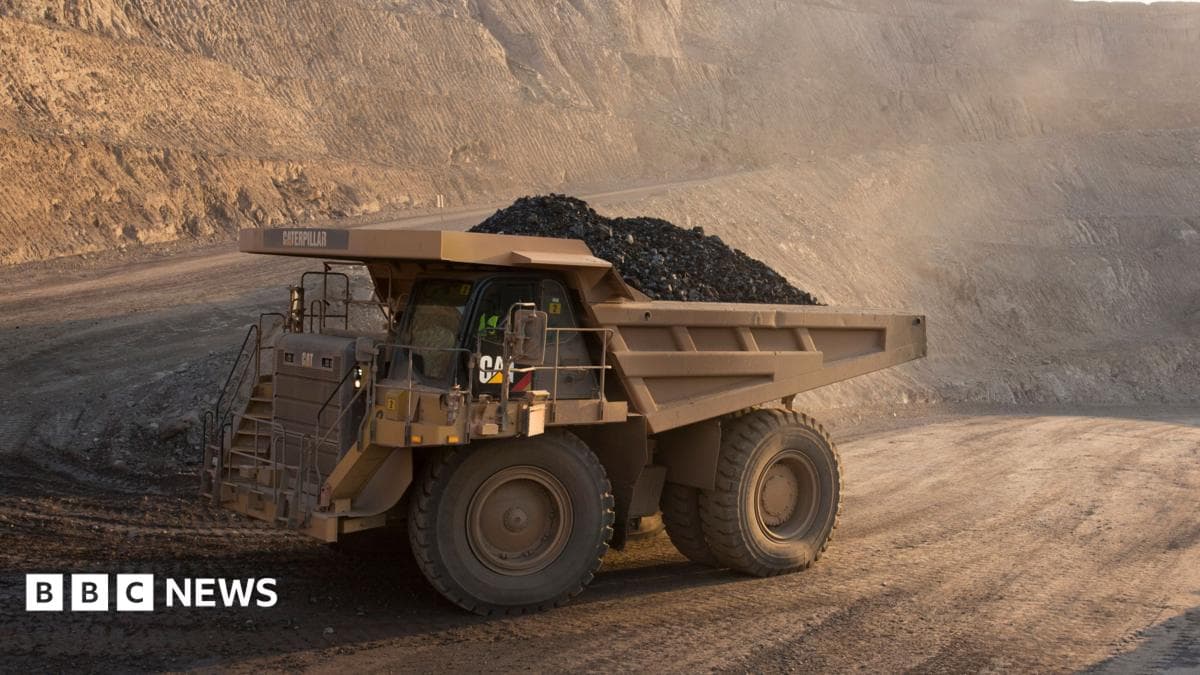
According to BBC, a U.S.-led consortium called Frontier Minerals secured the tender to develop Kenya’s Mrima Hill mining project, beating seven other bidders, including firms from China and Australia.
The award puts a $60 billion (≈£45 bn) deposit of critical minerals—most notably niobium—under the control of a partnership that includes Bunker Hill Mining Corp, American Resources Corporation and ReElement Technologies Corp.
Why the deal matters
Kenya’s mineral wealth has become a flashpoint in the broader competition between Washington and Beijing for control of Africa’s strategic resources. Niobium, a metal essential for electric‑vehicle batteries, aerospace components and defence systems, is scarce globally and largely processed in China. By winning the Mrima Hill tender, the U.S. hopes to create an alternative supply chain that can feed American manufacturers while keeping more value inside Kenya.
Frontier Minerals says its proposal will keep a larger share of the economic upside in Kenya by building processing and refining facilities on‑site, rather than shipping raw ore abroad for treatment. The plan aligns with Kenya’s own goal of diversifying its economy beyond tourism, agriculture and financial services.
What the consortium brings
The three‑company group combines distinct expertise. Bunker Hill brings decades of experience in mineral extraction, American Resources supplies a network for critical‑materials logistics, and ReElement contributes advanced refining technology capable of handling niobium and other rare earths.
Brad Barnett, a spokesperson for Frontier Minerals, emphasized the local benefits:
"We intend to create lasting opportunities for Kenyan workers, businesses and the wider economy through capacity‑building and targeted investment, while prioritising environmental management and performance."
Beyond jobs, the consortium promises training programmes, technology transfer and a share of downstream profits that would otherwise flow to foreign processors. If the processing plant materialises, Kenya could become one of the few African nations that not only extracts but also refines critical minerals.
Local concerns and legal challenges
Mrima Hill sits on roughly 390 acres of forest in Kwale County, a region where communities depend on the land for their ancestral heritage and livelihoods. Residents have voiced fears that mining could degrade the forest, pollute waterways and erode cultural sites.
Frontier Minerals responded by pledging rigorous environmental safeguards and community‑engagement programmes. Nevertheless, the tender’s outcome has already sparked objections from rival bidders. Reuters reports that Australia’s RareX alleges Frontier Minerals missed an earlier submission deadline and intends to contest the award.
Kenya’s mining ministry maintains that the selection process was transparent and open, but the legal avenues opened by the challengers could delay the issuance of the prospecting licence that Frontier still needs to begin work.
Implications for U.S.-China rivalry in Africa
The win is a concrete step in Washington’s strategy to reduce reliance on Chinese‑controlled mineral supply chains. Over the past few years, the United States has deepened partnerships with mineral‑rich African states such as the Democratic Republic of Congo and Zambia, offering financing and technical assistance in exchange for access to cobalt, lithium and now niobium.
China, which currently dominates the processing of many critical minerals, has invested heavily in African mining projects, often securing long‑term contracts that lock in supply. By positioning Frontier Minerals as a partner that will keep processing in Kenya, the U.S. hopes to undercut Beijing’s influence and offer African governments a diversified set of options.
For Kenya, the decision could signal a shift toward greater geopolitical leverage. The country may now be able to negotiate better terms with both superpowers, extracting higher royalties or securing more robust infrastructure commitments.
What happens next?
Frontier Minerals must first obtain a prospecting licence and satisfy Kenya’s regulatory requirements, a process that could take months. Simultaneously, RareX and possibly other bidders are likely to file formal appeals, which could push the timeline further.
If the consortium proceeds, the next major milestone will be a feasibility study to determine the scale of the processing plant and the amount of niobium that can be economically extracted. That study will also assess environmental impacts, a factor that will be closely watched by local NGOs and international watchdogs.
The outcome will shape not only Kenya’s mining sector but also the broader architecture of global critical‑minerals supply chains. A successful, responsibly managed project could become a model for other African nations seeking to capture more value from their natural resources while balancing environmental and social concerns.
For now, the eyes of Washington, Beijing and Nairobi remain fixed on Mrima Hill, a forested hill that could soon host a new chapter in the race for the world’s most essential metals.
The Morning Brief
One email a day with the stories that matter. Free, forever.
No spam. Unsubscribe anytime.
Comments (0)
Be the first to share your thoughts.