
Norse Atlantic's Norwegian Unit Collapses as Fuel Shocks Break Long-Haul Budget Model
Long-haul budget carrier Norse Atlantic's Norwegian operating unit has declared bankruptcy following soaring fuel costs and sudden lessor terminations.
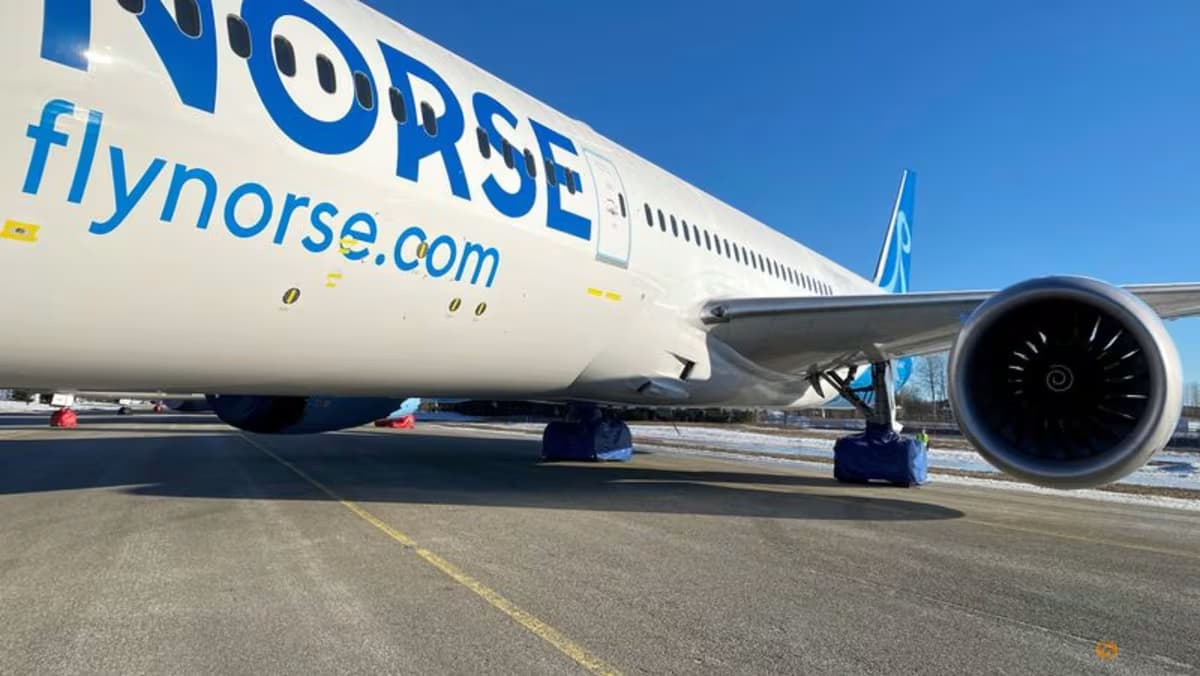
According to reports from Channel NewsAsia, long-haul budget carrier Norse Atlantic's Norwegian operating unit has formally declared bankruptcy after failing to weather escalating fuel costs triggered by the conflict in Iran. The carrier, which launched in 2022 to capture budget-conscious transatlantic travelers, collapsed just days after issuing a public warning that its financial reserves had hit critical levels.
How Ground-Level Leasing Crises Sparked the Collapse
The immediate catalyst for the bankruptcy filing wasn't just the evaporating cash reserves, but a coordinated move by aircraft lessors demanding their assets back. Norse revealed that lessors had terminated contracts for all 12 aircraft in the carrier's fleet, setting off a frantic legal dispute that paralyzed daily operations.
The carrier had previously locked in long-term lease agreements, including nine Boeing 787 Dreamliners sourced from Ireland-based AerCap Holdings and six from Singapore-based BOC Aviation, with terms stretching up to 16 years. When lessor demands arrived on November 27 demanding the immediate return of the planes, management pushed back aggressively.
The company contests the validity of the termination notices.
— Norse Atlantic, Corporate Statement
Industry observers immediately recognized the existential threat posed by these aborted leases. Without physical access to the aircraft, contesting the notices in court remains a hollow victory for a grounded airline.
The Lease Dispute and Fleet Seizures
Aircraft lessors hold immense leverage when fuel shocks compress airline margins across the Economy & Markets sector. When Norse returned three planes to AerCap earlier in its operational lifespan, it signaled early friction in managing massive capital commitments.
The remaining fleet of Boeing 787 Dreamliners became liability anchors rather than revenue generators once international airspace disruptions spiked operating expenses. Analysts noted that without those 12 airframes returning to active schedules, any talk of restructuring remains purely theoretical.
Analyst Assessments on Fleet Recovery Odds
External aviation experts cast immediate doubt on the carrier's ability to bounce back from the simultaneous lease terminations and bankruptcy filing. Reversing lessor repossessions through legal challenges rarely happens quickly enough to save a cash-strapped carrier.
Although they are contesting the notices, it sounds pretty decisive. Unless successful in this, they will not be able to resume operations.
— John Strickland, Aviation Analyst
Those sobering assessments proved accurate as the Norwegian operating unit succumbed to insolvency proceedings. The holding entity and UK subsidiary are attempting to shield themselves, but the operational core is effectively dismantled.
Image: channelnewsasia.comMacro Industry Tremors Across Global Aviation
While executives point to regional conflicts, the failure of Norse Atlantic exposes structural flaws in the low-cost, long-haul business model when external shocks hit fuel supplies. Budget operators run on razor-thin margins that leave zero room for multi-week spikes in jet fuel prices.
The broader World News landscape reflects an aviation sector grappling with its most severe operational disruption since the pandemic years. Geopolitical flashpoints in the Middle East have driven up operating costs globally, forcing carriers to reevaluate route profitability overnight.
The Regional Ripple Effects on Parent Entities
Norse Atlantic ASA, listed on the Oslo Euronext Expand bourse, insisted that its parent entity and UK subsidiary remain outside the immediate Norwegian bankruptcy filing. Management and advisers are scrambling to carve out a viable path for the remaining international segments.
CEO Eivind Roald acknowledged the gravity of the situation while signaling intent to protect whatever viable operations remain within the corporate group.
The Board of Norse Atlantic Airways AS has made the difficult decision to file for bankruptcy despite extensive efforts from the company and the group to find a solution.
— Eivind Roald, CEO, Norse Atlantic Airways
Despite those executive assurances, creditors and suppliers are examining exposure across all subsidiaries. Parent company survival depends entirely on whether foreign operating licenses and remaining UK slots can generate cash independently of the collapsed Norwegian unit.
Broader Sector Vulnerabilities Under Fuel Shocks
The collapse serves as a brutal stress test for low-cost carriers attempting to service intercontinental routes. When fuel prices surge and lessors panic, low cash buffers vanish in days rather than months.
Other budget airlines operating widebody fleets are quietly trimming marginal routes to avoid a similar fate. The era of cheap transatlantic leisure flights built on high-leverage leasing agreements faces a severe market reckoning.
Image: channelnewsasia.comThe Structural Shift in Transatlantic Budget Travel
The demise of Norse's Norwegian unit signals the end of an experimental chapter in discount aviation. Traditional network carriers with diversified revenue streams are better positioned to absorb fuel volatility than pure-play long-cost operators.
Consumers will likely face higher ticket prices as capacity leaves the market. The fundamental economics of flying widebody jets across oceans on discount fares require stable fuel markets that currently do not exist.
Investor Reckoning on High-Leverage Fleets
Public markets are punishing airlines that rely heavily on leased assets rather than owned capital. Equity holders in Norse Atlantic ASA absorbed massive losses as trading volatility forced repeated halts on the Oslo bourse.
Institutional investors are pulling back from capital-intensive transport startups. The tolerance for cash-burning airline models has evaporated amidst persistent macroeconomic uncertainty.
The Final Choice Facing Remaining Group Entities
Management now faces a stark operational countdown as creditors circle the remaining corporate assets. Preserving the UK subsidiary requires immediate liquidity injections that existing shareholders may refuse to provide.
The ultimate fate of the surviving entities rests on whether advisers can convince skeptical lessors to restructure debt before court-appointed administrators step in. Every day the fleet remains grounded diminishes the value of whatever restructuring plan remains on the table.
The Morning Brief
One email a day with the stories that matter. Free, forever.
No spam. Unsubscribe anytime.
Comments (0)
Be the first to share your thoughts.