
Gbenga Olawepo-Hashim Claims Nigerian Electorate Rejects APC Ahead of 2027 Vote
Accord Party presidential hopeful Dr. Gbenga Olawepo-Hashim declares that Nigerians are ready to vote out the ruling APC in 2027.
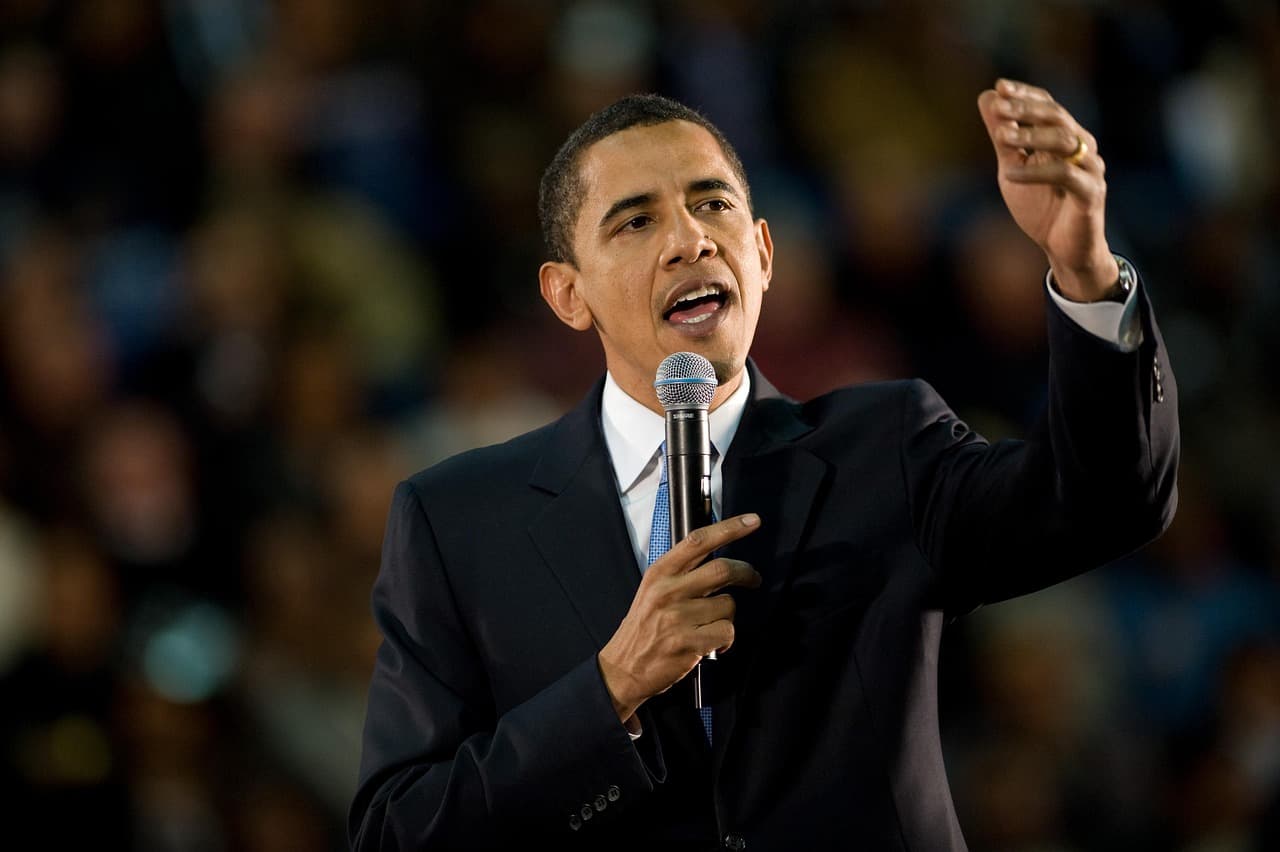
Economic Hardship and Security Strain Drive Early 2027 Political Posturing in Abuja
According to Vanguard, Accord Party presidential hopeful Dr. Gbenga Olawepo-Hashim stated that ordinary citizens across the country have decided to reject the ruling All Progressives Congress in the upcoming 2027 general election. The political landscape in Africa's most populous nation is already shifting as opposition figures point to persistent economic hardship and regional insecurity.
Families across local communities face mounting pressure from inflation and daily living costs that continue to outpace wage growth. Government data tracks relentless spikes in the cost of staple items, forcing households to cut back on meals and healthcare. Political rallies are filling up months ahead of schedule as angry citizens look for alternative leadership.
Rising living expenses have turned kitchen-table budgeting into a daily crisis for millions of working households. Voters in urban centers and rural farming communities alike are scrutinizing federal policies through the harsh lens of empty pockets and scarce opportunities. Political debates that once felt distant now dominate transport parks, market stalls, and neighborhood gatherings.
Opposition strategists are capitalizing on this widespread frustration to build early coalitions ahead of the ballot. Critics argue that current economic management lacks a human face, leaving millions of vulnerable citizens without a safety net. This messaging resonates strongly with young voters who face high unemployment rates and few prospects for upward mobility.
The Opposition Case Against Tinubu's Economic Reforms
Straining Household Budgets Through Subsidy Removals
Critics of the current administration argue that aggressive fiscal adjustments have inflicted deep wounds on the working class without delivering immediate relief. Fuel price hikes and currency floats have triggered cascading price increases on staple goods, transport fares, and basic medicines. Opposition leaders maintain that these structural changes ignored the immediate vulnerability of low-income earners.
Market traders in Lagos and Kano report that transport costs alone consume more than half of their daily revenue. Commuters now wait hours at crowded bus stops as higher fuel prices force commercial drivers to hike fares beyond reach. This financial squeeze leaves little room for families to pay school fees or handle unexpected medical emergencies.
Labor unions have threatened fresh strikes as negotiations over minimum wage adjustments repeatedly stall in committee rooms. Workers point out that statutory wages remain frozen while the cost of basic food items doubles within months. These mounting pressures create a volatile environment where opposition parties find a ready audience for change.
Persistent Security Gaps Across Agricultural Belts
Beyond urban markets, farming communities continue to grapple with banditry and rural violence that disrupt planting seasons and food distribution. Agricultural output suffers when rural producers cannot access their fields without facing extortion or abduction. These security failures directly feed into urban food inflation, compounding the misery of city dwellers who rely on domestic supply chains.
Farmers in the fertile middle belt region report that armed gangs frequently demand heavy tolls before permitting harvest operations to proceed. Many rural families have abandoned their ancestral lands entirely, seeking safety in overcrowded urban slums. This mass displacement destroys local food production networks and leaves major cities heavily dependent on erratic imports.
Security analysts note that military deployments remain stretched thin across multiple conflict zones from the northern borders to the oil-producing delta. Response times to rural distress calls often stretch into days due to poor road infrastructure and limited tactical mobility. Until these fundamental security bottlenecks are cleared, food prices will stay stubbornly high for average consumers.
The Governing Party Defense and Reform Justification
Long-Term Fiscal Discipline Versus Short-Term Pain
Defenders of the governing party insist that decades of artificial economic supports left the national treasury bankrupt and vulnerable to collapse. Administration officials argue that removing costly fuel subsidies and unifying exchange rates were unavoidable bitter pills required to stabilize public finances. They maintain that temporary sacrifices will eventually unlock foreign investment and sustainable job creation.
Central bank governors defend the floating exchange rate as a necessary step to attract foreign capital and eliminate corrupt arbitrage rings. They argue that maintaining the old subsidy regime was bleeding billions of dollars away from vital public investments in health and education. The ruling party insists that critics offer no credible alternative other than a return to unsustainable borrowing and debt default.
Cabinet ministers point to rising federal allocations flowing to state governments following the removal of fuel subventions. Proponents argue these expanded funds give local administrators the resources needed to tackle localized poverty directly. However, citizens on the ground often struggle to see how these larger treasury disbursements translate into improved public services.
Targeted Palliatives and Infrastructure Investments
Government planners point to cash transfer programs and localized intervention funds designed to cushion the blow for the most vulnerable demographics. Regional infrastructure projects are also moving forward with the stated goal of connecting agricultural hubs to major consumption centers. Officials maintain that staying the course on current reforms is the only path to national economic independence.
Federal agencies have distributed bags of rice and fertilizer to state capitals, though local distribution networks often face accusations of political favoritism. Critics argue these palliatives are mere drops in the ocean compared to the sheer scale of national poverty. Government spokespersons counter that administrative teething problems are being addressed through stricter monitoring and digital beneficiary registries.
Major transport corridors, including the ongoing rail and highway expansions, receive priority funding to speed up the movement of goods and people. Officials maintain that these concrete investments will permanently lower logistics costs once fully completed over the next few years. The ruling party asks voters to look past current discomforts and judge them on the final delivery of these mega-projects.
Where the Electorate Balance Tips Between Promise and Reality
Ordinary citizens find themselves caught in the crossfire between macroeconomic theory and the harsh reality of daily survival. While economists debate fiscal metrics in air-conditioned offices, market traders calculate whether daily sales can cover evening meals. This widening gap between government projections and street-level experience shapes the emerging narrative for the 2027 ballot.
Local businesses struggle to secure lines of credit as high interest rates choke off expansion plans and capital investments. Employers must choose between cutting staff or closing their doors permanently as utility bills and raw material costs skyrocket. This corporate squeeze deepens the pool of unemployed youths who represent both a political constituency and a social security risk.
Ordinary citizens across the country have decided to reject the ruling All Progressives Congress in the upcoming 2027 general election.
Dr. Gbenga Olawepo-Hashim
As opposition figures mobilize grassroots sentiment around these daily struggles, the ruling party must convince skeptics that relief is genuinely on the horizon. The ultimate verdict will not rest on policy whitepapers or theoretical models, but on whether household purchasing power recovers before voters head to the polls. Every community across the nation is watching to see which political camp offers a credible bridge to stability.
Political parties on both sides are rushing to sign up new members as voter registration windows reopen ahead of the election cycle. Pundits expect alliances to shift dynamically as regional power brokers calculate their best paths to influence in Abuja. The coming months will test whether opposition rhetoric can translate into a unified electoral machine against an entrenched incumbent force.
The Morning Brief
One email a day with the stories that matter. Free, forever.
No spam. Unsubscribe anytime.
Comments (0)
Be the first to share your thoughts.