
Costa Rica Bars UN Special Rapporteur Francesca Albanese Over Security Alert
UN Special Rapporteur Francesca Albanese spent two nights sleeping on an airport floor after Costa Rica barred her entry over alleged terror links.
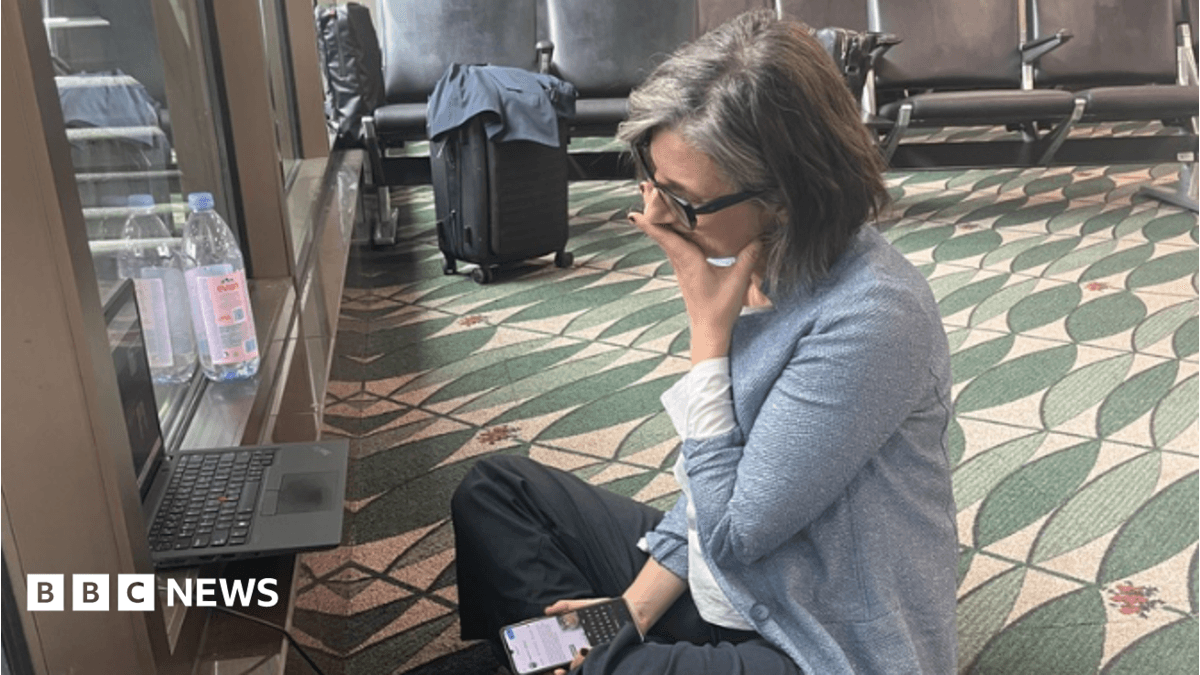
On Thursday night, immigration officers stopped Francesca Albanese, the United Nations special rapporteur for the Occupied Palestinian Territories, from stepping off the plane at San José’s Juan Santamaría International Airport. The Italian lawyer spent two nights on the concrete floor of the terminal after officials cited an “international alert” that linked her to terrorist activity, though no documentation was offered.
Immigration Mechanics at Juan Santamaría Airport
Immigration chief Omer Badilla announced the denial via a video statement released on Thursday night. Badilla pointed to an international alert linking the UN expert to terrorist acts without releasing specific documentation or evidentiary files. Legal analysts and university officials immediately questioned the opacity of the justification, demanding formal disclosure of the intelligence sharing networks involved.
Legal Framework Governing Entry Bans
Costa Rica’s immigration code permits the Ministry to deny entry when “national security” is threatened, yet the law also requires a written basis that can be reviewed by the courts. Critics argue that Badilla’s vague reference to an “alert” skirts the procedural safeguards built into the 1999 Immigration Law, leaving the affected party with limited recourse.
The Video-Link Acceptance From Terminal Floors
Barred from clearing customs at Juan Santamaría International Airport, Albanese connected to the University of Costa Rica’s auditorium via digital video. University attendees awarded her a standing ovation as her image appeared on large auditorium screens. Sitting directly on the terminal floor, she delivered her scheduled acceptance speech to the gathered academic assembly.
"I am deeply outraged that the Costa Rican government has disseminated false information linking me to terrorism," she said in her speech, rejecting the immigration department's claims entirely. The academic institution proceeded with the ceremony despite her physical absence from the stage, underscoring a sharp institutional divide between university leadership and executive authorities.
University’s Decision to Proceed
The University of Costa Rica’s rector defended the choice to honor Albanese, noting that the honorary doctorate had been approved months before the travel ban. Faculty members argued that academic freedom and the UN mandate outweighed the political fallout, a stance that sparked a heated debate among students and staff alike.
Image: bbc.co.ukDiplomatic Fallout and Quantitative Repercussions
International response to the airport detention involved high-ranking officials and prominent human rights organizations. UN High Commissioner for Human Rights Volker Türk issued a formal statement describing the ban as difficult to reconcile with the nation’s historical human rights record. Former Costa Rican President and 1987 Nobel Peace Prize laureate Óscar Arias visited Albanese inside the terminal to condemn the government’s actions directly.
I am deeply outraged that the Costa Rican government has disseminated false information linking me to terrorism.
— Francesca Albanese, UN Special Rapporteur for the Occupied Palestinian Territories
UN Bodies Weigh In
The Office of the High Commissioner for Human Rights called the incident “a breach of the rapporteur’s immunity,” reminding member states that UN experts travel under a protected status. A spokesperson for the UN General Assembly echoed that sentiment, warning that repeated denials could erode the credibility of international monitoring mechanisms.
Condemnation From Global Figures
Amnesty International Secretary General Agnes Callamard condemned the executive branch's move on social media. "This will be the shame of this Costa Rica Government for years to come," Callamard wrote on X, pointing to the long-term diplomatic costs of denying entry to a mandate holder of the United Nations. Domestic politicians from multiple parties similarly questioned the legality of immigration chief Badilla's directive.
Conversely, Israeli Ambassador to the UN Danny Danon supported the decision. Danon accused Albanese of spreading propaganda and legitimizing militant groups during her tenure. These divergent global reactions illustrate the stark geopolitical polarization surrounding UN investigations into the conflict in Gaza.
Regional Reactions
Mexico’s foreign ministry expressed concern, noting that the ban could set a precedent for other Latin American states. Guatemala’s president, meanwhile, urged Costa Rica to respect UN appointments, emphasizing that regional cooperation depends on mutual trust in diplomatic norms.
Image: bbc.co.ukGeopolitical Alignment Under President Laura Fernández
The decision by Costa Rica reflects shifting diplomatic priorities under the administration of President Laura Fernández, who took office in February. The current government maintains close ties with Washington, an ally of Israel that has imposed its own sanctions on Albanese. Observers note that these strategic alliances increasingly dictate national border policies toward independent international investigators.
Domestic Political Landscape
Fernández’s coalition includes parties that favor a hard-line stance on security issues, a factor that helped her secure a parliamentary majority. Opposition legislators filed a motion to suspend Badilla pending an independent review, arguing that the alert undermines Costa Rica’s reputation as a peace-building nation.
Economic Implications of Diplomatic Strain
Tourism officials warned that the incident could deter academic conferences and NGOs from scheduling events in San José, potentially shaving off an estimated $2 million in revenue during the upcoming quarter. Trade negotiators also flagged that strained ties with the UN may complicate future development aid packages.
Assessing the Broader Data on Special Mandates
Special rapporteurs operate as independent experts appointed by the UN to advise member states, though they do not speak for the organization directly. Albanese has consistently argued that international corporations and Western governments risk complicity in war crimes through trade ties with Israel. Her reports have documented more than 74,770 deaths in Gaza since the outbreak of war triggered by the October 7, 2023, attacks led by Hamas.
Data regarding international travel bans against UN human rights officials remain sparse, making Costa Rica's enforcement mechanism an unusual outlier in diplomatic protocol. While the numbers of displaced or barred experts fluctuate, public entry denials of active mandate holders carry immediate legal and reputational consequences for host nations. Albanese departed for Mexico on Saturday, vowing to challenge the restrictions and return when political conditions shift.
Precedent Travel Restrictions
Israel barred Albanese from entering its territory in early 2024, citing “security concerns” after she highlighted alleged violations in the West Bank. Earlier, the United Arab Emirates denied entry to a UN fact-finder on the ground that the expert’s past statements “could inflame public order.” These cases illustrate a growing pattern of states leveraging immigration law to limit UN scrutiny.
Statistical Snapshot of UN Expert Denials
Between 2018 and 2023, the UN recorded 27 documented refusals of entry for special rapporteurs, with an average of 1.8 cases per year. Most incidents involved experts on human rights or environmental issues, and half occurred in countries with ongoing armed conflicts. The Costa Rica episode pushes the total to 28, marking the first instance in Central America.
Potential Legal Recourse
Albanese’s legal team plans to file a petition with Costa Rica’s Constitutional Chamber, arguing that the alert violates both domestic law and the 2005 Convention on the Privileges and Immunities of the United Nations. If successful, the case could set a binding precedent that forces immigration authorities to disclose the factual basis for any security alert.
Future of UN Field Missions
UN officials are reviewing travel protocols for rapporteurs after the San José episode, considering a centralized clearance system that bypasses national immigration checkpoints. Critics caution that such a system might clash with sovereign rights, while supporters argue it would protect the independence of UN fact-finding missions.
The Morning Brief
One email a day with the stories that matter. Free, forever.
No spam. Unsubscribe anytime.
Comments (0)
Be the first to share your thoughts.