
Asian Tech Shares Rebound as Global Markets Absorb Fresh US Tariff Proposals
Asian stock exchanges rebounded from a hard sell-off on Thursday as tech shares stabilized and global markets absorbed fresh US tariff proposals.
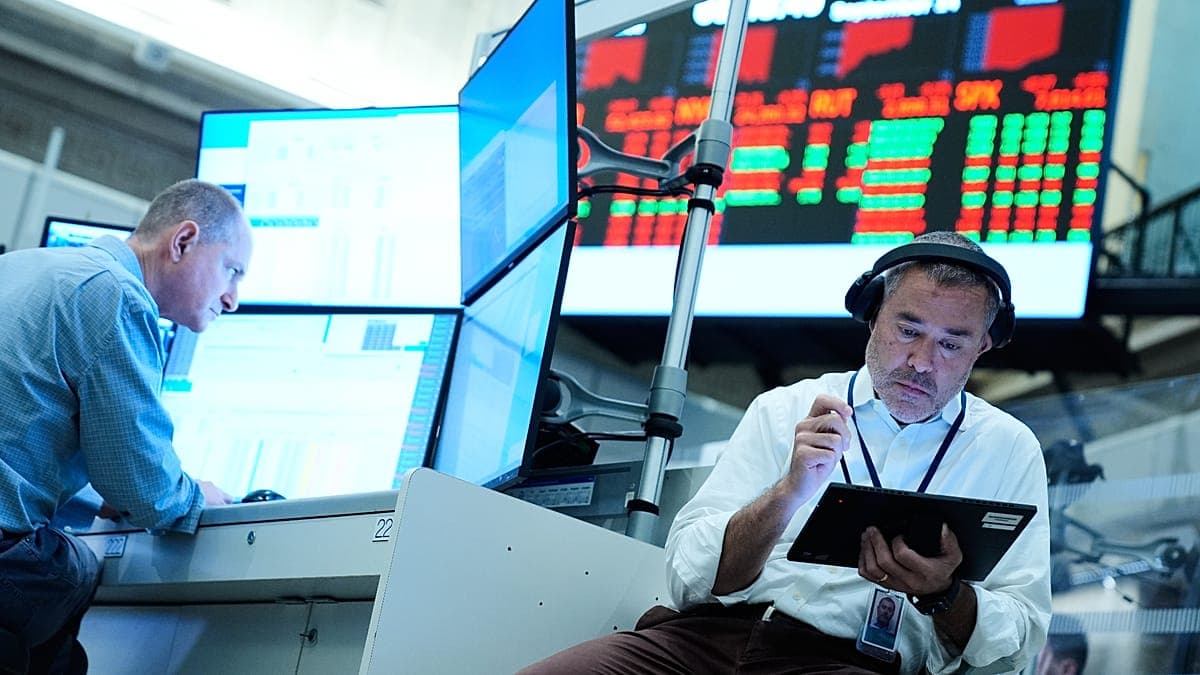
According to Euronews, Asian stock exchanges staged a sharp rebound on Thursday following a volatile week of heavy selling, as tech sector trading stabilised and investors largely shrugged off a fresh round of proposed US tariffs targeting 14 major economies. The overnight turnaround offered a welcome reprieve for everyday savers and pension funds after a brutal stretch of market swings that saw Wall Street dip into negative territory ahead of the Thanksgiving holiday.
For ordinary people watching retirement accounts and household budgets feel the pinch of macroeconomic turbulence, the wild fluctuations on global trading floors often feel distant until they hit local supply chains, fuel costs, and currency valuations. The latest wave of market stress was initially triggered by mounting anxiety over whether massive artificial intelligence capital expenditures will ever generate a real-world return, compounded by rising interest rate expectations and political shifts in Washington.
The sequence of events unspooled rapidly over a turbulent five-day window. Earlier in the week, markets rejoiced over corporate leadership stability, only to suffer a crushing sell-off by Wednesday as fresh economic data revealed US inflation hitting a three-year high alongside an upward revision of third-quarter economic growth. That data immediately heightened fears that central bankers will push borrowing costs higher next month, squeezing consumer credit and mortgage rates worldwide.
Asian technology powerhouses bore the brunt of the prior sell-off before spearheading Thursday's recovery. Seoul, Tokyo, and Taipei sat firmly at the centre of the action. Tokyo's Nikkei 225, Seoul's Kospi, and the Taipei Taiex all climbed more than 1 percent, matching gains in Hong Kong's Hang Seng index. Japanese chipmaker Kioxia and investment giant SoftBank surged by double figures, while South Korean manufacturing giants SK hynix and Samsung also finished comfortably in the green.
Weighing Short-Term Relief Against Lingering Market Volatility
Despite the relief rally, veteran analysts caution that temporary market bounces do not automatically signal a permanent return to stability. The underlying tensions that sparked this week's sell-off remain very much alive across global financial centers, particularly as investors re-examine valuations in the Economy & Markets sector.
"buyers still need to demonstrate that renewed demand extends beyond short-lived relief rallies."
— Michael Boutros, Analyst at Forex.com
That caution is shared by regional observers who note that everyday consumers ultimately absorb the costs when semiconductor supply chains wobble or capital spending freezes. Market momentum depends entirely on whether industrial bellwethers can maintain their footing as the calendar flips toward the final month of the year.
"The focus heading into December is on whether semiconductor shares can regain traction and support a broader recovery or whether the recent deterioration signals further downside," Boutros noted, highlighting the fragile nature of the current rebound.
The Mechanics Behind the New US Trade Levies
Adding another layer of complexity to the weekly ledger, Washington unveiled a sweeping package of proposed tariffs affecting 14 economies following a months-long federal probe into alleged excess global manufacturing capacity. The proposed duties, which could climb as high as 20 percent, target some of the United States' largest trading partners, including the European Union, India, Japan, and South Korea.
Rather than triggering an immediate panic, however, financial markets absorbed the trade announcement with notable calm. The proposed levies face a mandatory public comment period before taking final effect, and trade officials have confirmed that the new rules will account for existing bilateral trade agreements.
China faces a 20 percent toll, representing the joint-highest levy in the proposed package. US Trade Representative Jamieson Greer maintained that the measures remain well within the legal boundaries of ongoing trade negotiations with Beijing, even as officials in Beijing issued swift warnings against escalating protectionist policies.
Beijing warned Washington not to engage in tariff wars and trade wars, setting up a diplomatic test of wills as global supply chains prepare for the impact of the new duties.
Trigger Points Ahead as December Trading Approaches
As markets settle into the final weeks of the year, ordinary investors and institutional traders alike face a narrow set of critical indicators. The immediate path forward depends heavily on upcoming consumer price indexes, central bank commentary regarding December interest rate decisions, and whether corporate buyers continue placing orders for advanced hardware.
That math breaks fast if inflation figures tick upward once more. Nobody budgeted for sustained high borrowing costs paired with fresh trade friction. The catch shows up at renewal time for corporate credit lines and retail loan portfolios alike, meaning the current calm in trading pits could prove temporary if foundational economic pressures resume.
The Morning Brief
One email a day with the stories that matter. Free, forever.
No spam. Unsubscribe anytime.
Comments (0)
Be the first to share your thoughts.