
Canada Supreme Court Upholds Quebec Bill 21 Religious Symbols Ban
Canada's Supreme Court has upheld most aspects of Quebec's Bill 21, reinforcing provincial rules banning public employees from wearing religious symbols.
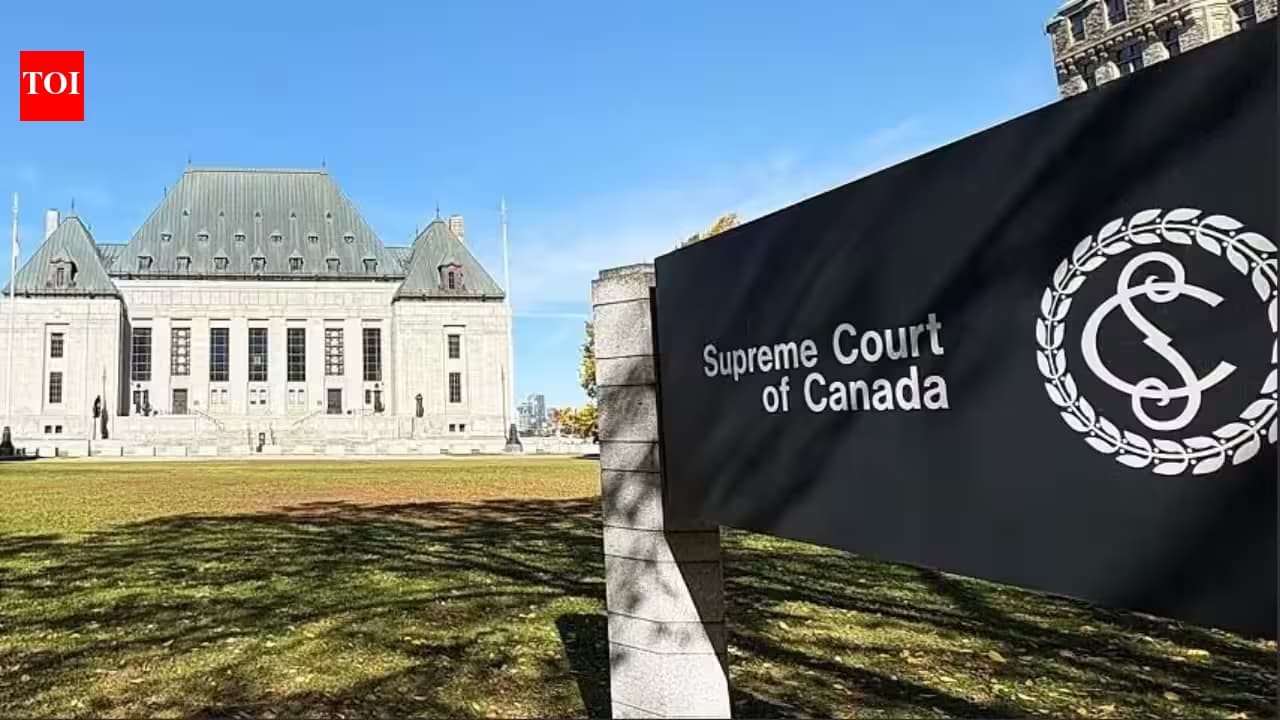
According to The Times of India, Canada's Supreme Court has upheld most core aspects of Quebec's contentious 2019 legislation banning certain public sector employees from wearing religious symbols at work. The high court's ruling solidifies provincial authority over workplace secularism rules despite years of intense legal challenges from civil liberties groups and affected professionals.
The legislation, widely known as Bill 21, targets teachers, police officers, judges, and other public workers across World News sectors. It prohibits them from wearing items such as Sikh turbans, Muslim hijabs, Jewish kippahs, and overt Christian crosses while performing their official duties. Proponents argue the measure preserves strict state neutrality in public institutions.
The Defense of Provincial Secularism and State Neutrality
Quebec lawmakers and defenders of the statute have consistently anchored their arguments in the principle of state secularism, known locally as laïcité. They maintain that public servants representing state authority must project an appearance of absolute religious neutrality while interacting with citizens.
Supporters emphasize that provincial legislatures hold constitutional latitude to shape public administration rules according to local cultural values. The judicial validation affirms that regional governments can utilize specific legal mechanisms to protect state institutions from religious display.
Quebec's Legislative History and the Notwithstanding Clause
Lawmakers drafted the statute with specific preventative measures to shield it from routine judicial scrutiny. They invoked the notwithstanding clause, a legislative tool allowing provinces to override certain sections of the Charter of Rights and Freedoms for a renewable 5-year period.
This deliberate constitutional shield forced courts to evaluate the province's authority through a very narrow legal lens. Provincial architects argued that elected officials, rather than unelected judges, should decide social policy on religious expression in government workplaces.
Preventing Conflicting Authority in Public Classrooms
Proponents of the ban point specifically to public school classrooms and municipal courtrooms as environments requiring uniform secular presentation. They argue that students and litigants deserve reassurance that public authority is exercised without visible religious bias.
Advocates also contend that applying the restriction evenly across all recognized faiths prevents preferential treatment of any single religion. This argument formed a central pillar of the provincial defense throughout the appellate process.
Managing Institutional Boundaries in Civil Service
Government attorneys maintained that the state must remain entirely neutral when delivering essential services to a diverse public. They argued that visible religious markers on duty personnel compromise the perceived impartiality of government desks, clinics, and courtrooms.
State defenders insisted that the employment restrictions apply strictly to working hours and official duties. Citizens retain full freedom of worship outside the workplace, meaning the legislation regulates professional conduct rather than personal faith.
Image: timesofindia.indiatimes.comThe Civil Liberties Challenge and Claims of Systemic Marginalization
Opponents of Bill 21, including civil rights organizations, teachers' unions, and minority religious associations, mounted a fierce multi-year legal offensive. They argued that the statute inflicts direct, discriminatory harm on visibly religious citizens seeking employment in the public sector.
Critics stressed that the law disproportionately forces individuals from minority faiths to choose between their career aspirations and their religious obligations. Legal challengers maintained that such restrictions undermine foundational equality rights guaranteed under broader constitutional frameworks.
Impact on Career Trajectories for Minority Professionals
Human rights advocates documented numerous instances where qualified educators and civil servants faced demotion, resignation, or forced career shifts following the 2019 enactment. They argued that state-mandated dress codes create artificial employment barriers in publicly funded institutions.
Opponents further argued that excluding observant minorities from visible leadership roles impoverishes the cultural fabric of public administration. They warned that normalized workplace exclusions send a chilling message to diverse communities across the region.
Mobilizing Legal Coalitions Against Bill 21
Civil rights groups pooled resources to finance successive appeals through provincial and federal courts. Their legal briefs emphasized that equality guarantees lose all practical meaning if the state can selectively suspend them via pre-emptive legislative overrides.
Union leaders also stepped up to support affected teachers and civil servants facing disciplinary action from school boards. These labor representatives argued that collective agreements and basic worker protections should shield employees from targeted workplace discrimination.
Image: timesofindia.indiatimes.comWhere the Judicial Balance Tips on Constitutional Rights
The Supreme Court's refusal to strike down the core provisions of the law highlights the complex interplay between individual rights and provincial legislative authority. The ruling demonstrates how legislative safeguards can insulate regional statutes from standard judicial review under specific constitutional clauses.
As legal analysts parse the full text of the decision, attention now turns to how other provinces might interpret this precedent. The outcome cements a sharp divergence in how different jurisdictions within the country approach the boundaries of religious expression in civil service.
Weighing Federalism Against Individual Charter Protections
Legal scholars point out that the ruling marks a distinct victory for provincial legislative autonomy within the Canadian federation. It confirms that regional assemblies retain broad latitude to balance competing social values through direct statutory enactment.
At the same time, critics warn that normalization of the notwithstanding clause weakens baseline federal rights protections for minority populations. The judgment leaves individual rights vulnerable whenever provincial majorities decide to prioritize collective secularism over minority inclusion.
Future Legislative Battles Across Canadian Jurisdictions
Other provincial governments now evaluate whether similar workplace restrictions might withstand judicial scrutiny under the newly affirmed constitutional precedent. Political leaders outside Quebec face intense lobbying from both secularist groups and civil liberties advocates tracking the fallout.
Public administration boards across the country prepare for ongoing debates regarding dress codes, religious accommodation, and employer mandates. The Supreme Court's final word on Bill 21 closes one courtroom chapter while opening a volatile new phase in Canadian constitutional politics.
The Morning Brief
One email a day with the stories that matter. Free, forever.
No spam. Unsubscribe anytime.
Comments (0)
Be the first to share your thoughts.