
Iranian State Targets 135 Lawyers, Undermining Fair Trial Guarantees
Over 135 Iranian lawyers have been targeted with arrests, summonses and travel bans, prompting UN experts to warn that the crackdown threatens fair trial guarantees.
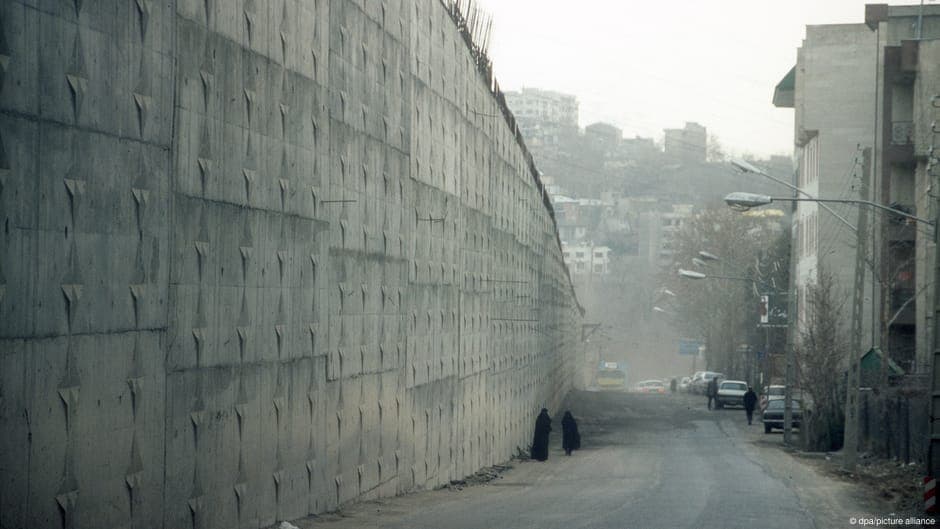
According to DW, at least 135 lawyers in Iran have been subjected to repressive measures over the past year, ranging from summonses and arrests to travel bans and outright dismissals.
This wave of intimidation is not a peripheral legal squabble; it strikes at the heart of Iran’s constitutional promise of a fair trial. When defenders of the law are silenced, the accused lose their most essential shield against arbitrary detention, coerced confessions, and predetermined verdicts.
Why the crackdown matters
The United Nations human rights experts warned in mid‑November that the systematic persecution of independent lawyers threatens the right of defendants to a competent defense in a constitutional court. Their statement underscores that without genuine legal representation, the judiciary becomes a tool for political repression rather than a venue for justice.
One stark illustration is the case of Amirsalar Davoudi, a human‑rights attorney arrested in October while representing a client in the Revolutionary Court in Isfahan. He suffered a heart attack in custody and was hospitalized on November 9, a stark reminder that the state’s pressure can have lethal consequences.
From protests to prison: the expanding net
Between September 2025 and September 2026, the UN report catalogued a spectrum of punitive actions: summonses, arrests, detentions, suspensions, dismissals, and travel restrictions. In the first two months of 2026 alone, 23 lawyers—including five women—were arrested following nationwide demonstrations. The pattern reflects a calculated escalation, moving from targeting outspoken activists to ensnaring seasoned legal professionals.
Sina Yousefi, a 41‑year‑old lawyer and human‑rights activist, recalls his own ordeal. Arrested in Tabriz during the “Woman Life Freedom” protests of October 2022, he spent six months behind bars for “propaganda against the system.” Now living in Berlin, Yousefi says the security services, judiciary, and criminal prosecution apparatus have refined “targeted mechanisms” to crush independent legal work.
Even internationally recognized figures are not immune. Nasrin Sotoudeh, a 2012 Sakharov Prize co‑recipient, received the Vaclav Havel Human Rights Prize in 2026 after enduring repeated arrests and imprisonments. Her plight signals that the state's crackdown spares neither local advocates nor globally lauded defenders.
Legal technicalities as weapons
Iran’s Code of Criminal Procedure, specifically Article 48, already narrows a detainee’s right to choose counsel during investigations. Defendants must rely on lawyers appointed by the head of the judiciary, many of whom lack full access to case files or evidence. As Yousefi explains, lawyers often receive files only after the prosecution has compiled its evidence, including confessions extracted under duress, leaving them with scant time to mount an effective defense.
Judges, Yousefi notes, “ascribe greater importance to reports by security agents than to the defense,” resulting in verdicts that hinge on unverifiable security narratives. This procedural imbalance erodes public confidence in the legal system and fuels a climate of fear among both defendants and their counsel.
Shabnam Moinipour, program director at the Center for Supporters of Human Rights in the UK, stresses that the independence of the bar is a prerequisite for any meaningful defense. She warns that when senior court officials decide which lawyers may act, the bar’s autonomy is compromised, producing psychological and legal repercussions for the accused.
What lies ahead?
The UN experts have called on Iranian authorities to halt the escalating persecution, yet the state’s rhetoric frames these measures as “protective” against destabilizing forces. The chilling effect extends beyond the lawyers directly targeted; it deters other attorneys from taking on politically sensitive cases, further narrowing the pool of defenders willing to challenge the regime.
Despite the mounting danger, many Iranian lawyers persist, accepting the risk of arrest, prosecution, and professional sanctions. Their resilience raises an uncomfortable question: if the state’s strategy is to erode legal safeguards through fear, can any semblance of rule of law survive when the very guardians of justice are systematically dismantled?
“When a lawyer’s freedom and professional activity are threatened, their client’s right to defense is impaired,” Moinipour told DW. “Even without mass arrests, the actions taken against a limited number of lawyers send a threatening message to others and restrict their professional activity.”
As the international community watches, the true test will be whether pressure from bodies like the UN can translate into concrete reforms, or whether the Iranian apparatus will continue to weaponize legal technicalities to silence dissent.
The Morning Brief
One email a day with the stories that matter. Free, forever.
No spam. Unsubscribe anytime.
Comments (0)
Be the first to share your thoughts.