
Diesel Tanker Sinks Off Ibiza Coast as Crews Battle Spill Risks
A diesel tanker carrying up to 7,000 metric tonnes of fuel sank off Ibiza, prompting an urgent environmental response and maritime safety review.
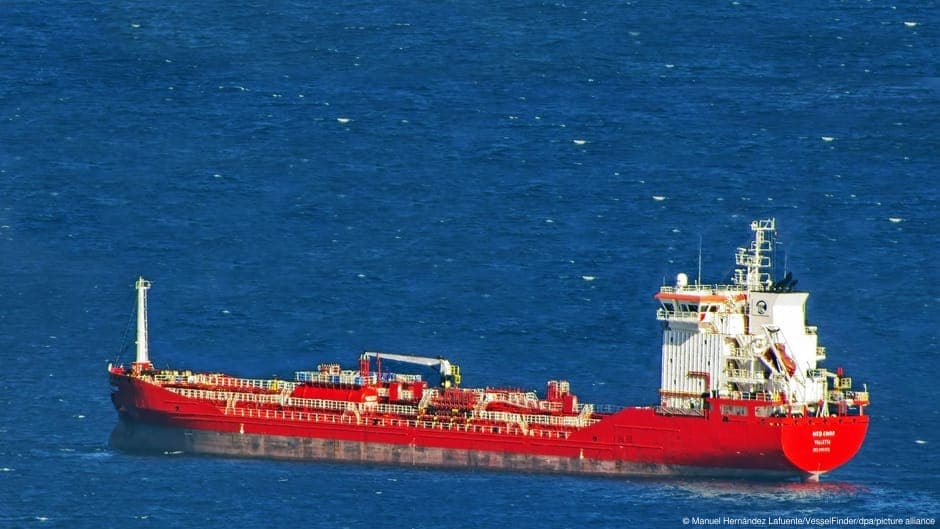
According to Deutsche Welle, a diesel tanker carrying up to 7,000 metric tonnes of fuel sank Thursday morning about 30 nautical miles off the northwestern coast of Ibiza, claiming the life of one crew member and triggering an urgent environmental response. The Maltese-flagged vessel capsized overnight while sailing from Algeciras to Barcelona, leaving rescue teams to pull seventeen sailors from the frigid Mediterranean waters.
While standard assumptions often picture any shipwreck near pristine coastlines as an immediate ecological catastrophe, the actual containment architecture of modern commercial vessels tells a more measured story. Maritime authorities deployed specialized spill-response aircraft and the rescue vessel Clara Campoamor to inspect the site, activating a level 2 national pollution contingency plan even as initial patrols reported no immediate debris or surface slicks.
Assessing Ecological Vulnerability Around the Balearic Islands
For ordinary residents and fishing communities across the region, any maritime incident near the Balearic archipelago brings immediate anxiety about local livelihoods and tourism. The waters surrounding Ibiza support fragile coastal ecosystems that sustain local economies and marine life alike. People living along these shores know that a major fuel spill threatens far more than just pristine swimming spots.
Seagrass Meadow Functions
Posidonia oceanica meadows stretch for kilometers beneath the surface, trapping sediments and producing up to 30 % of the oxygen that diffuses into coastal waters. Those underwater carpets also provide shelter for juvenile fish, which later populate commercial catches. A diesel plume could smother shoots, reduce photosynthesis, and cascade through the food chain within weeks.
Marine Mammal Sensitivity
Resident bottlenose dolphins and occasional loggerhead turtles use the same offshore corridors that the tanker traversed. Both groups rely on sound propagation that diesel bubbles can disrupt, impairing navigation and foraging. Studies show that even low-level hydrocarbon exposure can cause respiratory irritation, a risk that local marine biologists monitor closely.
Economic Stakes for Local Fisheries
Ibiza’s small-scale fishers harvest species such as sea bream and grouper, which depend on healthy seagrass and clear water. A spill that reaches fishing grounds could force temporary closures, cutting income for dozens of families during the peak summer season. Insurance claims for lost catch often take months to settle, adding financial strain to already tight margins.
Protecting Endangered Seabirds and Seagrass Meadows
The accident zone hosts vast meadows of Posidonia oceanica seagrass alongside critical habitats for sea turtles and dolphins. These shallow underwater meadows act as natural filters and nurseries for regional fisheries. The area also serves as a primary breeding ground for the Balearic shearwater, recognized as one of Europe's most threatened seabird species. Any heavy hydrocarbon release in these waters would instantly jeopardize centuries of marine balance.
Expert Analysis on Modern Vessel Engineering Standards
Public fears often conflate older single-hull disasters with contemporary shipping incidents, missing the engineering shifts that define modern fleets. The sunken tanker was built in Turkey in 2019, incorporating contemporary structural safeguards designed to withstand moderate hull breaches without releasing cargo directly into open water.
in the event of a leak (or) a collision, that intermediate part between the cargo hold and the outer layer would flood.
— Emilio Rodriguez Diaz, Maritime Security Expert at the University of Cadiz
That protective spacing functions as a critical mechanical safeguard against total cargo loss during a sudden capsize. Security experts emphasize that this secondary barrier absorbs initial impact forces and limits environmental exposure. As Emilio Rodriguez Diaz explained to Cadena SER radio, It's a kind of buffer that prevents the cargo... from being released into the environment.
Double-Hull vs Single-Hull Performance
Double-hull designs feature an outer shell and an inner tank separated by a void space that can fill with water if the outer layer ruptures. In contrast, single-hull vessels expose cargo directly to the sea once the hull is breached. The void space in the Ibiza tanker gives responders a window to seal leaks before fuel reaches the surface.
Design Limits Under Capsize Conditions
When a vessel capsizes, gravity forces cargo tanks to tilt, potentially compromising internal bulkheads. Engineers calculate a “critical angle” beyond which structural integrity degrades; for a 2019-built tanker, that angle lies above 120 degrees, meaning the hull can endure a full overturn before the inner barrier fails. Monitoring sonar data will reveal whether the vessel has passed that threshold.
The Gap Between Historical Disasters and Current Response Protocols
Collective memory in Spain remains haunted by the 2002 Prestige disaster, when an aging tanker spilled tens of thousands of tons of heavy oil across Galicia's coastline. That tragedy permanently altered how Spanish authorities handle maritime alerts, establishing zero-tolerance thresholds for tanker distress near sensitive shores. Citizens watching the Ibiza operation see echoes of past trauma, yet the mechanical reality of a 2019-built double-hull tanker differs sharply from older single-wall vessels.
Emergency responders aren't waiting for a catastrophe to unfold before deploying containment assets. Spain's merchant marine authority moved swiftly to implement the second-highest pollution contingency tier, directing specialized monitoring vessels to track drift patterns and weather conditions. Local communities across the World News landscape watch closely as maritime inspectors determine whether the vessel's internal cargo tanks remain intact beneath the surface.
Evolution of Spain's Pollution Contingency Plans
Since the Prestige incident, Spain introduced a tiered response framework that escalates from local alerts to national mobilization. Tier 2, now in effect, authorizes aerial dispersant spraying, rapid-deployment booms, and a dedicated command center in Valencia. The plan also mandates daily briefings with regional governors, ensuring political oversight matches technical action.
Monitoring Tools Deployed in Real Time
Satellite synthetic-aperture radar scans the spill area every six hours, detecting oil sheen that may be invisible to the naked eye. Meanwhile, autonomous surface vessels equipped with hydrocarbon sensors patrol a 10-kilometer radius, feeding data to a central dashboard. These tools let authorities model drift scenarios and warn fishermen before contamination reaches their nets.
What Happens Next for the Crew and the Salvage Operation
Beyond the environmental assessments, the human toll of the sinking remains a heavy burden for the families of the affected sailors. Emergency services confirmed that six crew members suffered from severe hypothermia during the midnight rescue, while five others were transferred to hospitals in Valencia for observation. Local authorities continue working to identify the nationalities of the crew and establish the precise sequence of events that caused the vessel to capsize.
As cleanup vessels maintain vigil around the sunken hull, the broader Security apparatus of Spain's transport ministry prepares for potential salvage operations in deep water. The ultimate environmental outcome depends heavily on underwater structural stability and the speed of upcoming extraction efforts.
Salvage Options Under Consideration
Salvage engineers are evaluating three main approaches: lifting the hull with a heavy-lift crane barge, cutting the vessel into sections for removal, or sealing the tanks in situ and pumping fuel out through remotely operated vehicles. Each method carries trade-offs between speed, cost, and disturbance to the seabed. Authorities favor the option that minimizes further diesel release while protecting the seagrass beds.
Potential Legal Proceedings and Compensation
If investigations confirm that the tanker’s safety systems failed, the vessel’s owners could face fines under the International Convention for the Prevention of Pollution from Ships. Affected fishermen may also file claims for lost catch, while families of the deceased crew member could seek compensation under maritime labor conventions. Legal experts warn that settlement negotiations often extend for months, adding another layer of uncertainty to the recovery effort.
The Morning Brief
One email a day with the stories that matter. Free, forever.
No spam. Unsubscribe anytime.
Comments (0)
Be the first to share your thoughts.