
Godzilla Minus Zero Delivers Gravity‑Beam Spectacle and Human Drama in a Rare Sequel Triumph
Godzilla’s new gravity beam lifts houses and the monster itself, marking a rare sequel that balances human drama with spectacular visual effects.
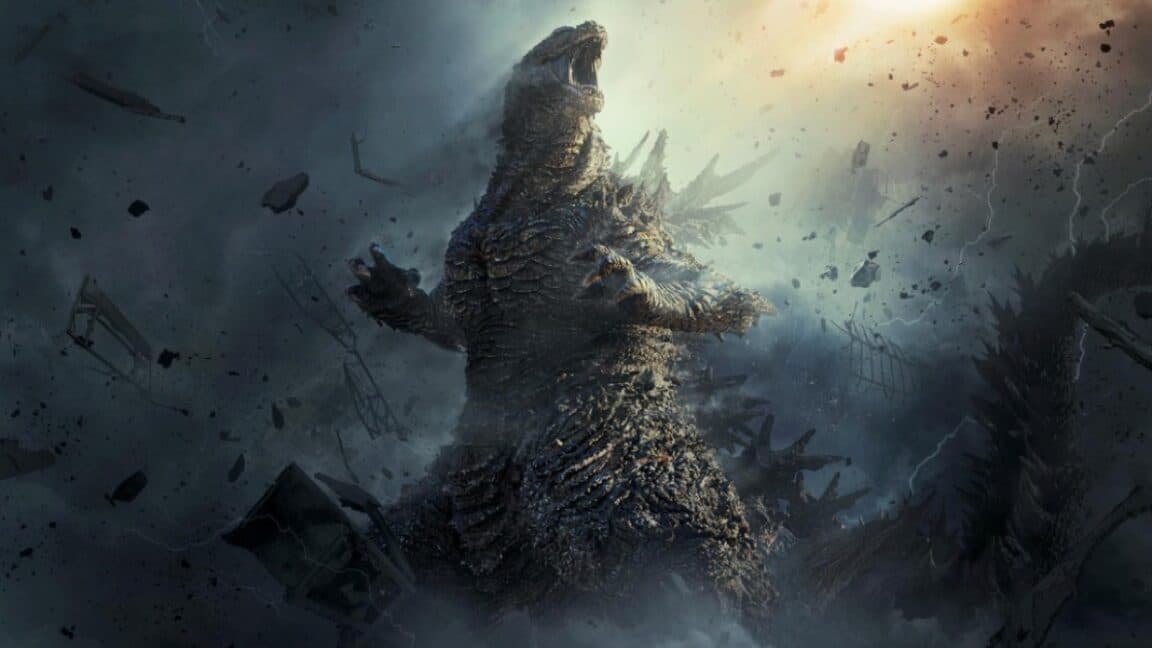
According to Ars Technica, Godzilla’s new gravity beam lifts entire houses – and even the king of monsters himself – into the sky before crashing them back down.
The scene lands midway through Takashi Yamazaki’s Godzilla Minus Zero, a sequel that joins a select club of follow‑ups that equal or eclipse their originals. It does so while threading personal loss, post‑war guilt, and a fresh kaiju threat into a visual feast built for IMAX screens.
Why the sequel matters
When Godzilla Minus One earned $116 million worldwide and an Oscar for best visual effects, expectations for a follow‑up were sky‑high. Few monster franchises have turned a box‑office hit into a critically lauded continuation. Yamazaki’s decision to revisit the post‑war setting and the symbolic weight of nuclear trauma gives the series a thematic anchor that many action‑driven sequels lack.
Beyond the numbers, the film tests whether a kaiju saga can sustain emotional stakes. It asks whether a survivor burdened by guilt can find redemption without sacrificing his family again. That question resonates beyond the genre, offering a rare blend of spectacle and soul.
Human stories amid towering monsters
Two years after the events of the first film, Kōichi Shikishima (Ryunosuke Kamiki) and his partner Noriko (Minami Hamabe) strive for ordinary peace. Their daughter Akiko (Sae Nagatani) represents a fragile future in a country still scarred by Godzilla’s rampage. Yet the arrival of a meteor‑borne creature that mutates into the three‑headed King Ghidorah forces Kōichi back into the battlefield.
The human drama sharpens when Noriko’s bloodstream carries radioactive G‑cells, a mutation that lets her survive Godzilla’s radiation but threatens to make her a government specimen. The couple keeps the infection secret, fearing the authorities will take her for experimentation. Their dilemma underscores a recurring Godzilla theme: the cost of survival in a world reshaped by nuclear power.
Yamazaki also weaves a haunting dream sequence featuring biologist Kanji Murakami (Min Tanaka), who envisions Godzilla towering over the Statue of Liberty. The image ties the monster to the atomic bomb’s legacy, reminding viewers that the creature is more than a CGI beast – it is a moving metaphor for nuclear horror.
Technical wizardry and monster mayhem
The film’s visual language builds on the predecessor’s striking tone while expanding the budget’s possibilities. It is the first Japanese movie shot specifically for IMAX, and the format showcases the scale of its special effects. The gravity‑beam sequence, where Ghidorah levitates houses and Godzilla himself, illustrates the upgraded cutting‑edge visual effects that earned the first film its Oscar.
Ghidorah’s transformation from a tentacled beast into its classic three‑headed form is a highlight. The creature’s new ability to manipulate gravity adds a fresh tactical layer to the kaiju‑versus‑kaiju showdown, which pits Godzilla against the mutated monster in a battle that feels both intimate and cataclysmic.
Yamazaki’s “bucket‑list” shot, inspired by 2008’s Cloverfield, places Godzilla emerging from the Atlantic in front of the Statue of Liberty. Though it appears in a dream, the sequence is a technical marvel that leverages the IMAX canvas to its fullest, reinforcing the director’s commitment to spectacle without sacrificing narrative purpose.
What comes next?
The film closes on a bittersweet note, with Godzilla’s fate hinted but not sealed and Noriko’s radioactive condition left unresolved. Yamazaki has not confirmed a third installment, but the lingering questions about the G‑cell infection and the world’s ability to contain future kaiju threats leave the door ajar for another chapter.
Fans will be watching the box‑office response closely. If the sequel mirrors the original’s performance, it could cement the modern Godzilla series as a sustainable franchise that balances commercial appeal with artistic ambition.
Ars Technica’s review notes that Yamazaki “has retained the visual tone that made the film’s predecessor so striking” while “upping his game on the special effects front.” The director’s blend of human pathos and monster spectacle proves that, at least for now, the King of Monsters still reigns supreme in both Japanese cinema and global pop culture.
The Morning Brief
One email a day with the stories that matter. Free, forever.
No spam. Unsubscribe anytime.
Comments (0)
Be the first to share your thoughts.