
ChatGPT and Other Chatbots Miss the Mark on Black Friday TV Deals, Study Finds
ChatGPT and other chatbots missed the mark on Black Friday TV bargains, offering dead links and outdated prices that forced shoppers to double‑check deals.
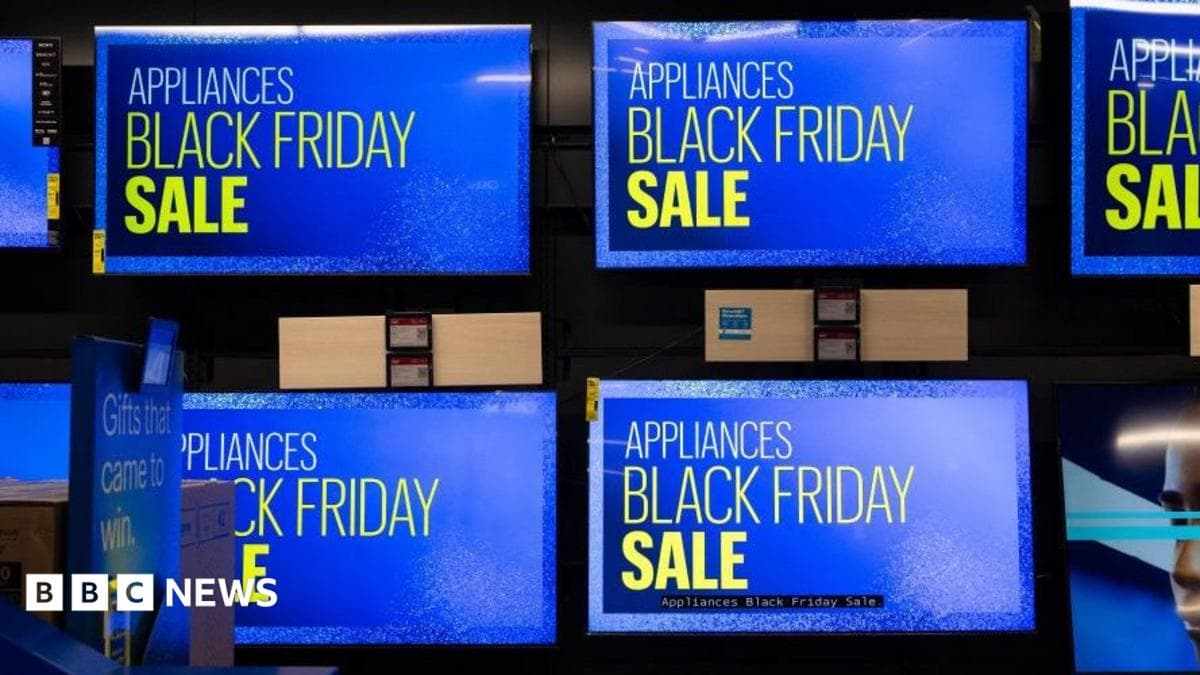
According to BBC, ChatGPT’s top pick for a Black Friday 55‑inch TV was a Hisense model priced at £499, but the link led to a dead page and the deal vanished.
For ordinary shoppers—whether in London’s high‑street markets or Accra’s bustling malls—the promise of an AI‑driven shortcut to the best bargain can feel like a lifeline. The reality, however, proved far messier.
Why it matters to everyday shoppers
Black Friday floods the internet with a torrent of offers, fake reviews and confusing price tags. A YouGov survey of 19 countries placed the United Kingdom second‑last in the share of people who have ever used AI to help shop, and 36% of respondents planning to browse deals said they would not turn to an AI tool at all. Even as tech firms roll out new features—Amazon’s Alexa for Shopping, OpenAI’s Shopping Research tool and Google’s Universal Cart—many consumers remain skeptical. In Ghana and elsewhere across Africa, where price‑sensitive shoppers already juggle limited warranty information and variable import duties, the stakes are even higher. An inaccurate AI suggestion could mean spending precious money on a product that is unavailable, overpriced, or lacking local support.
How the AI tools performed
We asked four popular models—ChatGPT, Claude, Gemini and Alexa—to locate a 55‑inch TV deal using their free versions. The test was informal, but the patterns were clear.
ChatGPT
ChatGPT listed a Hisense TV at £499, down from £649, then a TCL model with a price range from £379 to £814, and finally the same Hisense at full price (£649) from John Lewis and Richer Sounds, branding it the “best safer purchase” because of longer guarantees. All three links were dead when we clicked them. A fourth suggestion—a £1,100 LG OLED—was flagged as an advertisement.
Claude
Claude produced the briefest answer, leaning heavily on a handful of online reviews. Two of its links pointed to obsolete Richer Sounds pages, and another led to a year‑old Black Friday round‑up. It dismissed two Samsung models as “over budget and not clearly better than the TCLs,” yet still mentioned them without explanation.
Gemini
Gemini generated a comparison table of four models but omitted store URLs. We traced the prices ourselves: a TCL TV listed at £649 was sold out at the named retailer, and a second TCL at Argos matched the £539 price, but Currys listed it £60 higher. As with the other bots, Gemini flagged two Samsung models as undesirable due to lower specs.
Alexa
Alexa stayed within Amazon’s own catalogue, offering four options ranging from an Amazon Ember at £532 to a Samsung at £699. Its top recommendation—a Samsung model discounted to £616—was justified by picture quality and Amazon ratings. While all prices were correct, Alexa warned users to check rival sites for better guarantees, acknowledging its limited search scope.
Tech journalist Alex Hughes, who experimented with ChatGPT’s “agentic AI” mode last year, reported a smoother experience, completing a search in about 20 minutes with little effort. Yet he ultimately bought a TV elsewhere for a lower price and said he would probably not rely on AI again, noting that “live price data… will be inconsistent and quite often incorrect.”
Tips for getting reliable deals
Naureen Mohammed, a consultant who helps brands appear in AI results, warned that outdated pricing can cause chatbots to serve last year’s numbers as today’s bargains. Her own analysis of UK chatbot responses showed Amazon mentioned in half of the answers and Currys close behind.
She recommends asking an assistant, “Is this this year’s price?” and always clicking through to verify the offer. Consumer group Which? echoed the concern, citing senior researcher Hannah Walsh: “If you ask ChatGPT for a list of 10 laptops under £400 and seven of the results are priced higher, you’ve likely wasted a good chunk of time.” Conversely, “you could miss out on great models in your budget if ChatGPT tells you they are more expensive than they actually are.”
For shoppers in Ghana, South Africa or any market where AI tools are still gaining traction, the practical steps are the same: treat AI suggestions as a starting point, not a final verdict. Compare prices on local retailer sites, check warranty terms and confirm availability before committing.
As AI continues to weave itself into e‑commerce, the hope is that models will learn to pull live data and flag outdated listings. Until then, a healthy dose of skepticism and a few manual clicks remain the safest way to snag a genuine Black Friday deal.
The Morning Brief
One email a day with the stories that matter. Free, forever.
No spam. Unsubscribe anytime.
Comments (0)
Be the first to share your thoughts.